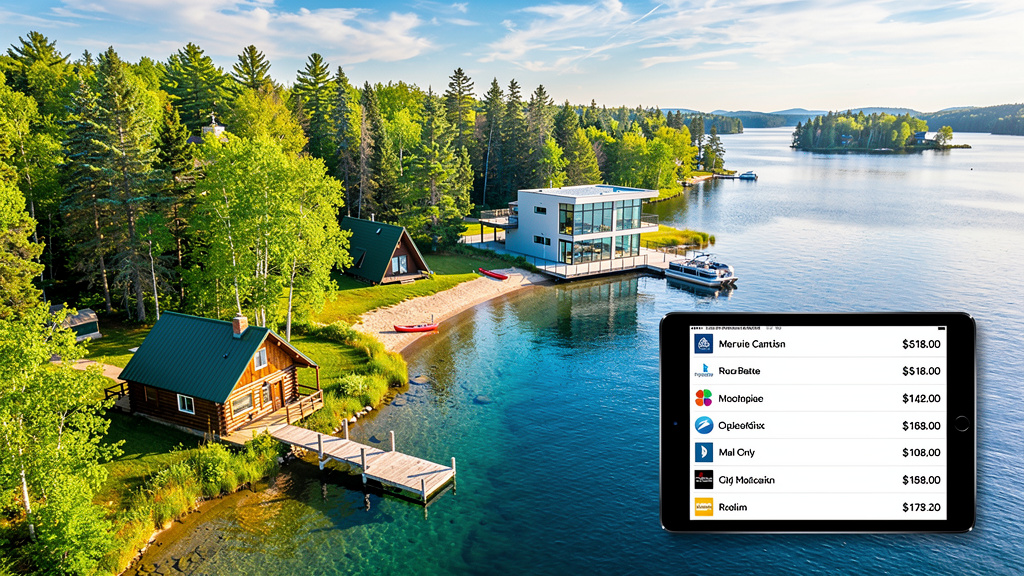
The Ultimate Guide to Cabin Insurance: Protecting Your Home Away from Home
Picture your perfect escape: a cozy cabin nestled in the woods, a lakeside retreat, or a mountain hideaway where you can unwind and make memories with family and friends. Your cabin isn’t just a property—it’s your sanctuary, an investment, and a cherished getaway. But just like your primary residence, your cabin faces its own unique risks, from severe weather and wildfires to theft and accidental damage. That’s why understanding cabin insurance is essential to ensure peace of mind and safeguard your home away from home.
Many cabin owners are surprised to learn that standard homeowners insurance rarely provides adequate protection for a secondary or seasonal property. Cabin insurance fills this gap by offering specialized coverage tailored to the needs of vacation homes, rental cabins, and rural retreats. But with so many policy options, coverage limitations, and insurance jargon, it’s easy for beginners to feel overwhelmed.
This comprehensive guide is designed to demystify cabin insurance, empowering you with the knowledge and confidence to make informed decisions. Drawing on industry expertise and the latest best practices, we’ll walk you through the essentials—from understanding what cabin insurance covers and why it’s different from regular homeowners insurance, to tips for finding the right policy for your unique situation.
By reading this guide, you’ll learn:
- What cabin insurance is and how it works
- The key differences between insuring a primary residence and a vacation property
- Types of coverage available and what risks are typically included or excluded
- Factors that affect your cabin insurance premiums
- How to choose the best policy for your needs and avoid common pitfalls
- Expert advice on protecting your investment year-round
Whether you’re a first-time cabin owner or exploring ways to better protect your cherished getaway, this ultimate resource will help you navigate the world of cabin insurance with confidence. Let’s get started on securing your home away from home.
Table of Contents
-
- Understanding Cabin Insurance: The Essentials
- What Is Cabin Insurance?
- How Is Cabin Insurance Different from Standard Home Insurance?
- Critical Cabin Insurance Coverage Options
- Choosing Coverage Based on Cabin Location and Condition
- Practical Examples: Cabin Insurance in Action
- Actionable Insights for Cabin Owners
- Summary: Protecting Your Home Away from Home
- Evaluating Your Risks and Insurance Needs
- How to Choose the Best Cabin Insurance Policy
- Step 1: Determine Your Coverage Needs
- Step 2: Research and Compare Top Insurers
- Step 3: Understand Policy Details and Coverage Options
- Step 4: Read the Fine Print—Key Exclusions and Limitations
- Step 5: Evaluate Premiums, Deductibles, and Discounts
- Step 6: Request Quotes and Ask the Right Questions
- Step 7: Review and Reassess Your Policy Annually
- Final Checklist: Choosing the Best Cabin Insurance Policy
- Filing a Cabin Insurance Claim: A Practical Guide
- Understanding the Cabin Insurance Claims Process
- Key Documentation Tips for a Successful Claim
- Common Hurdles and How to Overcome Them
- Real-Life Case Studies: Learning from Others
- Expert Advice: Maximizing Your Cabin Insurance Claim
- Checklist: Steps to Filing a Cabin Insurance Claim
- Conclusion: Be Proactive for Peace of Mind
- Expert Strategies for Maximizing Protection and Savings
- Reducing Premiums Without Sacrificing Coverage
- Improving Cabin Security to Lower Risk (and Premiums)
- Leveraging Discounts: Getting the Best Value
- Bundling Policies for Optimal Coverage and Savings
- Advanced Tips for Optimal Protection at the Best Price
- Real-World Example: Applying These Strategies
- Key Takeaways: Building a Smarter Cabin Insurance Strategy
- Frequently Asked Questions
- Conclusion
- Understanding Cabin Insurance: The Essentials
Understanding Cabin Insurance: The Essentials
Owning a cabin—whether it’s a rustic mountain retreat, a lakeside getaway, or a remote woodland refuge—brings a unique sense of freedom and relaxation. However, protecting your investment with the right insurance is crucial, and cabin insurance is not the same as standard homeowners coverage. In this section, we’ll explore what cabin insurance entails, why it differs from typical home insurance, and which coverage options matter most for cabins in diverse locations and conditions.
What Is Cabin Insurance?
Cabin insurance is a specialized policy designed to safeguard vacation homes, secondary residences, and recreational properties. These properties often face different risks than a primary home, and standard homeowners insurance may not cover the unique challenges associated with cabins.
At its core, cabin insurance protects your cabin structure, its contents, and potentially surrounding land against a variety of hazards. These may include natural disasters, theft, vandalism, liability risks, and more, depending on policy specifics.
Key Features of Cabin Insurance
- Flexible coverage: Tailored to seasonal, part-time, or full-time occupancy
- Protection for unique risks: Addresses hazards common to remote or vacation properties
- Optional add-ons: Coverage for outbuildings, boats, or rental guests
How Is Cabin Insurance Different from Standard Home Insurance?
While both cabin and homeowners insurance share some similarities, there are notable differences in coverage, cost, and eligibility. Understanding these distinctions will help you avoid gaps in protection and unexpected claim denials.
Occupancy and Usage
- Primary Home vs. Secondary Home:
Most standard homeowners policies are designed for primary residences, where someone lives year-round. - Seasonal or Occasional Use:
Cabins are often vacant for extended periods, increasing risks like theft, vandalism, and undetected damage.
Example: If your lakeside cabin is only occupied during summer, a standard homeowners policy may not cover water damage from a winter pipe burst that went unnoticed for months.
Location-Based Risks
- Remote Locations: Cabins are commonly located far from emergency services, making them more vulnerable to fire, theft, and natural disasters.
- Wildlife and Environmental Hazards: Risks like bear break-ins, falling trees, or flooding are often higher in rural areas.
Coverage Limitations
- Limited Coverage for Vacant Properties: Many standard policies restrict or exclude coverage when a property is vacant for more than 30-60 days.
- Personal Property Exclusions: Homeowners insurance may not cover items stored at a secondary location or in outbuildings.
Premiums and Deductibles
- Higher Premiums: Insurers often charge more for cabins due to increased risks and location factors.
- Specialized Deductibles: Some risks (like wildfire or flood) may have separate, higher deductibles.
Critical Cabin Insurance Coverage Options
The right cabin insurance policy is built from several key coverage types. Understanding these options ensures you’re not left with costly out-of-pocket expenses after a loss.
1. Dwelling Coverage
This covers the physical structure of your cabin against covered perils like fire, wind, hail, lightning, and more. It typically pays for repairs or rebuilding up to the policy limit.
- Tip: Make sure your coverage limit reflects the full replacement cost of your cabin, not just its market value.
- Example: If a wildfire destroys your remote log cabin, dwelling coverage pays to rebuild it using similar materials and craftsmanship.
2. Other Structures Coverage
Many cabins have additional structures such as detached garages, sheds, boathouses, or docks. This coverage protects those buildings from similar risks as your main cabin.
- Included Structures: Gazebos, fences, guest cottages, workshops, etc.
- Actionable Insight: Inventory all outbuildings and ensure your policy covers their full replacement cost.
3. Personal Property Coverage
Protects the belongings inside your cabin—furniture, appliances, electronics, sporting equipment, and personal items—against theft, fire, and other covered events.
- High-Value Items: Items like boats, ATVs, or collectibles may require separate endorsements or policies.
- Seasonal Storage: Coverage may differ if you store items off-site during the off-season.
- Example: If thieves break into your cabin and steal fishing gear and a kayak, personal property coverage can reimburse you for those losses.
4. Liability Protection
Liability coverage safeguards you if someone is injured on your property or you are found legally responsible for damage to others’ property.
- Guest Injuries: If a friend slips on an icy deck and gets hurt, liability coverage can pay for medical bills and legal costs.
- Vacation Rentals: If you rent out your cabin, ask about landlord or short-term rental liability add-ons.
5. Loss of Use (Additional Living Expenses)
If your cabin becomes uninhabitable due to a covered loss, this coverage pays for temporary housing and other additional expenses.
- Example: If a tree falls on your roof and you can’t use your cabin during repairs, loss of use coverage can cover hotel costs or alternate lodging.
6. Specialized Coverage for Cabins
Depending on your cabin’s location, features, and use, you may need additional endorsements or special policies:
- Flood Insurance: Standard policies rarely cover floods. If your cabin is near a river or lake, consider a separate flood policy.
- Earthquake Insurance: Necessary in certain regions; often excluded from standard policies.
- Wildfire Defense: Some insurers offer wildfire protection services or enhanced coverage in high-risk areas.
- Burglary and Vandalism: Higher risk when cabins are vacant; look for enhanced security and coverage options.
- Water/Sewer Backup: Protects against damage from plumbing failures, which can go undetected in seasonal properties.
- Recreational Vehicles and Equipment: Coverage for snowmobiles, ATVs, small watercraft, and related gear.
Choosing Coverage Based on Cabin Location and Condition
The right insurance for your cabin depends heavily on its location, construction, and how you use it. Here’s how to tailor your coverage:
Cabins in Remote or Forested Areas
- Risks: Wildfire, falling trees, delayed emergency response, wildlife damage
- Actionable Tips:
- Ask about wildfire mitigation discounts (e.g., defensible space, fire-resistant materials)
- Install security systems and surveillance cameras to reduce theft risk
- Consider higher coverage limits for outbuildings and tools
Lakefront and River Cabins
- Risks: Flooding, watercraft theft, dock damage, soil erosion
- Actionable Tips:
- Purchase separate flood insurance, even if not required by your lender
- Verify coverage for docks, boathouses, and boats
- Check requirements for watercraft liability coverage
Mountain and Snow-Prone Cabins
- Risks: Snow load, ice dams, avalanches, isolated access, power outages
- Actionable Tips:
- Ensure your policy covers roof collapse from snow and ice
- Ask about extended loss of use coverage if roads become impassable
- Consider portable generator coverage
Older or Non-Traditional Cabins
- Risks: Outdated electrical/plumbing, non-standard construction, limited historical data
- Actionable Tips:
- Document upgrades and maintenance to ensure insurability
- Ask about replacement cost vs. actual cash value (ACV) settlements
- Review exclusions for antique or custom features
Practical Examples: Cabin Insurance in Action
- Scenario 1: A winter storm causes a tree to crash through your cabin roof while you’re away. Your dwelling coverage pays for roof repairs, and loss of use covers your hotel stay until repairs are complete.
- Scenario 2: Thieves break into your cabin during the off-season and steal electronics and outdoor equipment. Personal property coverage reimburses you, after your deductible.
- Scenario 3: You rent out your cabin for a week, and a guest is injured on a broken step. Liability coverage (with a rental endorsement) helps cover medical bills and legal fees.
- Scenario 4: A nearby river floods, damaging your cabin’s basement and dock. Standard insurance does not cover the damage, but you have a separate flood policy that does.
Actionable Insights for Cabin Owners
- Regularly review your policy: As your cabin’s value or usage changes, update your coverage to avoid underinsurance.
- Document your property: Take photos/videos of your cabin and belongings for easier claims processing.
- Install security and monitoring systems: Some insurers offer discounts for alarm systems, surveillance cameras, or remote monitoring.
- Ask about vacancy clauses: If your cabin is unoccupied for long periods, make sure you comply with policy requirements to avoid denied claims.
- Bundle policies: Combining your primary home, cabin, and vehicle insurance can lower premiums and simplify management.
- Consider umbrella insurance: For added liability protection, especially if you host guests or rent out your cabin.
Summary: Protecting Your Home Away from Home
Cabin insurance is an essential safeguard for your cherished getaway, offering protection uniquely tailored to the challenges and joys of cabin ownership. By understanding the differences from standard home insurance and selecting coverage options that reflect your cabin’s location, usage, and value, you’re securing not just your property, but peace of mind for every season.
In the next section, we’ll dive deeper into how to evaluate your specific risks and determine the right amount of coverage for your cabin.
Evaluating Your Risks and Insurance Needs
When it comes to insuring your cabin, a one-size-fits-all approach rarely provides adequate protection. Cabins can face unique risks compared to primary homes, whether they’re deep in the woods, perched lakeside, or used as vacation rentals. Understanding and evaluating these risks is the critical first step to securing the right insurance coverage, ensuring your property and investment are protected against unexpected events.
Identifying Unique Risks Associated with Cabins
Cabins can be exposed to a variety of risks not commonly faced by standard homes. The factors that increase or alter your risk profile include your cabin’s location, how often you use it, whether you rent it out, and the weather patterns in the area.
Weather and Environmental Risks
- Wildfires: Cabins located in forested or mountainous regions are often at higher risk of wildfire damage.
- Flooding: Proximity to lakes, rivers, or low-lying areas can expose cabins to flood threats, which are typically not covered under standard policies.
- Heavy Snow and Ice: Cabins in northern climates may face roof collapses or water damage from ice dams and heavy snowfall.
- Wind and Storms: Remote areas may experience more severe windstorms, falling trees, or even tornadoes.
Example: A cabin near a river in a mountainous area might require additional flood and mudslide coverage, especially if spring thaws are common.
Location and Accessibility Risks
- Remote Locations: Difficult-to-access cabins may face longer emergency response times, increasing the risk of total loss from fire or theft.
- Seasonal Accessibility: If your cabin is inaccessible during winter months, undetected damage (like burst pipes or pest infestations) can compound over time.
- Lack of Utilities: Cabins without regular water, electricity, or security systems may be more susceptible to certain risks.
Example: If your cabin is only reachable by snowmobile in winter, insurers may consider the property a higher risk, affecting your premiums and required coverage.
Usage Patterns
- Secondary or Seasonal Use: Infrequent occupancy increases the risk of unnoticed issues such as leaks, vandalism, or animal intrusions.
- Year-Round Living: Regular use can reduce some risks (like undetected damage) but may increase others (such as wear and tear).
- Short-Term Rentals: Renting out your cabin on platforms like Airbnb or VRBO introduces liability and property risks, requiring specialized coverage.
Example: Renting your cabin to guests even a few weekends each year may require you to add liability coverage and consider loss-of-income protection in case of damage.
Property Features and Amenities
- Fireplaces, Wood Stoves, and Outdoor Fire Pits: These features can increase the risk of fire.
- Private Docks, Boats, or ATVs: Recreational amenities may require additional liability protection.
- Outbuildings: Detached garages, sheds, or guesthouses need to be specifically listed and valued on your policy.
Example: If your cabin includes a dock and provides canoes or kayaks for guests, you may need extra coverage for watercraft and increased liability limits.
Assessing the Right Coverage Levels
After identifying your risks, the next step is to determine how much coverage you need and what types of insurance best fit your cabin’s unique profile. Consider the following areas:
1. Dwelling Coverage
This is the foundation of your cabin insurance, covering the structure itself. The key is to insure the cabin for its rebuild value, not just the market value.
- Get a professional assessment to determine the cost to rebuild using similar materials and craftsmanship.
- Include all permanent structures, like decks, porches, and attached garages.
- Factor in local construction costs, which can be higher in remote areas due to transportation and labor challenges.
Tip: Consider “replacement cost” coverage rather than “actual cash value,” which factors in depreciation and could leave you underinsured.
2. Personal Property Coverage
This covers your belongings inside the cabin, such as furniture, electronics, and appliances.
- Take a detailed inventory of all personal property kept at the cabin.
- For high-value items (art, antiques, specialty sporting equipment), ask if you need to itemize and schedule them separately.
- If you rent out your cabin, some policies may not cover your guests’ belongings—clarify this with your insurer.
3. Liability Protection
Liability coverage protects you if someone is injured on your property or if you accidentally cause damage to someone else’s property.
- Standard limits are typically $100,000–$300,000, but higher limits are recommended for cabins with pools, hot tubs, or rental activity.
- Consider an umbrella policy for additional liability protection, especially if you host guests or rent your cabin.
- If your cabin includes recreational equipment (boats, ATVs), verify if these are covered or require separate policies.
Example: If a renter slips on an icy walkway and is injured, liability insurance can help cover medical bills and legal fees.
4. Other Structures Coverage
This includes detached buildings like sheds, garages, boathouses, or guest cabins.
- Make an inventory of all outbuildings and their uses.
- Ensure each structure is listed and valued accurately in your policy.
- Some policies only cover a percentage of your dwelling limit (e.g., 10%); increase this if you have significant outbuildings.
5. Additional Living Expenses (ALE)
ALE covers the cost of temporary accommodations if your cabin becomes uninhabitable due to a covered loss.
- Make sure the policy provides enough to cover local rental rates during peak season if repairs take time.
- If your cabin generates rental income, look for loss of use or fair rental value coverage to offset lost earnings.
6. Specialized Endorsements and Optional Coverages
Depending on your risks and how you use your cabin, you may need to add endorsements or riders:
- Flood Insurance: Essential for cabins near water, as standard policies usually exclude flood damage.
- Earthquake or Landslide Insurance: Consider this if your area is prone to seismic activity or unstable slopes.
- Vandalism and Theft: Especially important for rarely-visited or seasonally vacant cabins.
- Short-Term Rental Endorsements: Required if you rent your cabin, to cover guest-related damages and liability.
- Equipment Breakdown: Covers sudden failure of heating, cooling, or electrical systems.
Example: If your cabin is vacant for more than 30 days at a time, a standard policy may not cover certain losses. An endorsement for vacancy or a specialized policy for seasonal properties may be needed.
How to Perform a Personal Risk Assessment
Conducting a thorough risk assessment will help you and your insurance agent determine the right coverage for your situation. Here’s a step-by-step approach:
- List Your Cabin’s Features and Usage:
- Physical characteristics (size, age, materials, amenities)
- Location (proximity to water, forest, emergency services)
- How often it’s occupied and by whom (owner, family, renters)
- Identify Potential Hazards:
- Natural disasters common to the area
- Security and accessibility concerns
- Outbuildings and recreational equipment
- Estimate Replacement and Repair Costs:
- Get an up-to-date rebuild estimate for the cabin and all structures
- Document valuable personal property
- Evaluate Your Financial Exposure:
- Consider your ability to pay out of pocket for repairs or liability claims
- Assess potential lost income if you rent your cabin
- Consult with Insurance Professionals:
- Share your risk assessment and ask about specific coverage options
- Review policy exclusions and limitations carefully
Actionable Tips to Ensure Adequate Coverage
- Review Your Policy Annually: Update coverage as you add amenities or change how you use your cabin.
- Install Safety Features: Smoke detectors, security systems, and water leak sensors can lower risk and insurance premiums.
- Document Everything: Photograph the cabin, outbuildings, and contents for easier claims processing.
- Ask About Discounts: Bundling with your primary home, installing alarms, or joining a homeowner’s association may earn you savings.
- Understand Exclusions: Always ask your insurer what’s not covered and what you can do to fill those gaps.
Conclusion: Protecting Your Investment
Every cabin is unique, and so are its risks. By carefully evaluating your specific situation—including location, usage, weather threats, and special features—you can work with your insurance agent to build a policy that fits your needs. Taking time to assess risks and coverage now can save you from costly surprises down the road, giving you peace of mind to enjoy your cabin for years to come.
How to Choose the Best Cabin Insurance Policy
Protecting your cabin is more than just a wise investment—it’s a crucial step in ensuring your peace of mind. Cabin insurance policies can vary widely in terms of coverage, cost, and fine print. This section walks you through a step-by-step process to compare insurers, understand policy details, evaluate premiums and deductibles, and avoid common exclusions. Practical examples, actionable insights, and comparison tables are provided to help you make an informed decision as a beginner.
Step 1: Determine Your Coverage Needs
Before comparing insurance providers, identify your specific needs. Not all cabins are the same, and your policy should reflect the unique aspects of your property.
- Location: Is your cabin in a remote area, near water, or in a wildfire-prone region?
- Usage: Is it a primary residence, vacation home, or rental property?
- Structure: Do you have outbuildings, decks, or custom features?
- Personal Property: Will you keep valuable items or recreational equipment on-site?
- Natural Risks: Consider risks like flooding, wildfire, snow load, or landslides.
Action Step: Make a list of your cabin’s features and potential risks. This will be your checklist when reviewing policies.
Step 2: Research and Compare Top Insurers
Not all insurers offer specialized cabin insurance or coverage tailored to vacation homes. Start by identifying reputable providers known for handling cabins, seasonal homes, or rural properties.
Tips for Finding Reliable Providers
- Check online reviews and ratings from trusted sources like J.D. Power, Better Business Bureau, and AM Best.
- Ask for recommendations from neighbors or local real estate agents familiar with cabin properties.
- Verify that the insurer is licensed to operate in your state or region.
- Look for insurers with specific experience in rural, remote, or vacation home insurance.
Comparison Table: Top Cabin Insurance Providers (2024)
| Provider | Key Features | Financial Strength | Customer Service | Average Premium* |
|---|---|---|---|---|
| State Farm | Customizable coverage, strong agent network, discounts for security systems | A++ (AM Best) | 4.5/5 (J.D. Power) | $1,250/year |
| Farmers | Specialty vacation home policies, flexible deductibles, equipment coverage | A (AM Best) | 4.3/5 | $1,400/year |
| Foremost | Ideal for remote/rural cabins, optional flood and wildfire add-ons | A (AM Best) | 4.2/5 | $1,320/year |
| Allstate | Bundling discounts, easy claims process, strong online tools | A+ (AM Best) | 4.4/5 | $1,350/year |
| American Family | Flexible coverage for part-time use, good for family cabins | A (AM Best) | 4.3/5 | $1,275/year |
*Premiums are estimates for a standard seasonal-use cabin and will vary by location, value, and coverage selected.
Step 3: Understand Policy Details and Coverage Options
It’s essential to read beyond the headlines when comparing policies. Cabin insurance often includes specific coverages and may exclude certain risks. Here’s what to look for:
- Dwelling Coverage: Rebuilds or repairs the cabin itself after damage (fire, wind, vandalism).
- Other Structures: Covers garages, sheds, boathouses, or docks.
- Personal Property: Protects furniture, appliances, and personal belongings inside the cabin.
- Liability Protection: Provides coverage if someone gets injured on your property.
- Loss of Use: Pays for temporary accommodations if your cabin becomes uninhabitable after a covered loss.
- Optional Add-Ons: Flood, earthquake, and wildfire coverage often require separate endorsements.
Example: Comparing Two Policies
Suppose Policy A covers fire, theft, and vandalism, but excludes water damage and does not offer optional flood coverage. Policy B offers broader coverage—including water and wind damage—but comes at a higher premium and deductible. If your cabin is near a river, Policy B may be the smarter choice despite the higher cost.
Step 4: Read the Fine Print—Key Exclusions and Limitations
Many claims are denied due to policy exclusions. Always review the fine print for:
- Vacancy Clauses: Some policies reduce or deny coverage if the cabin is vacant for more than 30, 60, or 90 days.
- Excluded Perils: Common exclusions include flood, earthquake, sewer backup, and certain types of water damage.
- Maintenance Issues: Damage due to neglect, mold, or pests (like rodents) is often not covered.
- Rental Use: If you rent your cabin (even part-time), you may need separate coverage for short-term rentals or Airbnb use.
Action Step: Ask your insurer to provide a written list of exclusions and discuss any scenarios unique to your cabin (e.g., seasonal use, off-grid utilities, or private road access).
Step 5: Evaluate Premiums, Deductibles, and Discounts
Insurance pricing is a balance between premium costs (your yearly payment) and deductibles (the amount you pay out of pocket in a claim). Consider these factors:
- Premium: Lower premiums may mean less coverage or higher deductibles. Get quotes from multiple providers.
- Deductible: Higher deductibles typically lower your premium, but increase your out-of-pocket risk.
- Discounts: Many insurers offer discounts for security systems, bundling with auto/home policies, or paying annually.
- Payment Terms: Some insurers offer monthly, quarterly, or annual payment options—choose what fits your budget.
Sample Premium and Deductible Comparison
| Provider | Annual Premium | Deductible (Per Claim) | Bundling Discount |
|---|---|---|---|
| State Farm | $1,250 | $1,000 | Up to 20% |
| Farmers | $1,400 | $1,500 | Up to 15% |
| Foremost | $1,320 | $1,200 | Up to 18% |
| Allstate | $1,350 | $1,000 | Up to 25% |
Tip: Review how the deductible applies. Is it per incident, per year, or per property? This can affect your out-of-pocket costs in the event of multiple claims.
Step 6: Request Quotes and Ask the Right Questions
Once you’ve narrowed down your list, request personalized quotes. Provide detailed information about your cabin (location, use, construction, and any security features) to get the most accurate pricing.
Key questions to ask each provider:
- Does the policy cover both the main cabin and outbuildings?
- What are the specific exclusions and limitations for seasonal or vacant properties?
- Is there coverage for wildfire, flood, or landslide? If not, can it be added?
- How does the claims process work, and what is the typical turnaround time?
- Are there discounts for security systems, smoke detectors, or bundling with other policies?
- Is rental use allowed, and what additional coverage is needed for short-term rentals?
Practical Example: If you plan to list your cabin on Airbnb for a few weeks each summer, confirm that your insurer allows this and offers the necessary liability protection. Some providers may require a landlord or business endorsement.
Step 7: Review and Reassess Your Policy Annually
Your insurance needs can change over time. Review your policy every year—especially if you:
- Upgrade your cabin (remodeling, additions, or new outbuildings)
- Change how you use the property (rentals, more frequent visits, or full-time living)
- Install new safety features (alarms, cameras, fire suppression systems)
- Experience changes in the local risk profile (wildfires, floods, or weather patterns)
Stay proactive and shop around if premiums rise or your needs evolve. Loyalty to one insurer is less important than getting the right coverage at a fair price.
Final Checklist: Choosing the Best Cabin Insurance Policy
- List your cabin’s unique risks and features
- Shortlist reputable insurers with experience in vacation or rural properties
- Compare coverage options, premiums, deductibles, and exclusions
- Read the fine print and clarify all exclusions
- Ask detailed questions and seek custom quotes
- Reassess your policy annually or after significant changes
By following this step-by-step approach, you’ll be well-equipped to choose a cabin insurance policy that protects your investment and fits your lifestyle—ensuring you can relax and enjoy your retreat with confidence.

Filing a Cabin Insurance Claim: A Practical Guide
When the unexpected happens—be it storm damage, theft, or a fire at your cabin—knowing how to file an insurance claim can make a significant difference in your recovery process. This guide walks you through the step-by-step process of filing a cabin insurance claim, highlights common hurdles, provides documentation tips, and shares expert advice to help ensure a smooth and successful payout. Whether you’re new to cabin ownership or reviewing your preparedness, this section offers the knowledge you need to navigate the claims process with confidence.
Understanding the Cabin Insurance Claims Process
The claims process can feel daunting, especially if you’re dealing with property loss or damage for the first time. Here’s a breakdown of the typical stages involved in filing a cabin insurance claim:
- Assess the Damage or Loss
As soon as it’s safe, inspect your cabin and property. Take note of all affected areas and items. Safety comes first—ensure there’s no ongoing danger before entering. - Notify Your Insurance Provider
Contact your insurance company as soon as possible. Many policies require prompt notification, often within 24–48 hours of discovering the damage or loss. - Document Everything
Gather detailed evidence, including photos, videos, and written descriptions. Keep records of all communications with your insurer. - Submit Your Claim
Fill out your insurer’s claim form, attaching your documentation. Some insurers offer online portals or mobile apps for faster submission. - Meet with the Adjuster
Your insurer may send an adjuster to assess the damage. Be present during their visit to answer questions and provide additional info. - Review Settlement Offer
Once your claim is processed, your insurer will make a settlement offer. Review this carefully and discuss any discrepancies. - Receive Payout
If you accept the offer, you’ll receive the funds—either directly or to your contractor, depending on the agreement.
Key Documentation Tips for a Successful Claim
Thorough, well-organized documentation is the foundation of a successful insurance claim. Here’s how to make sure your records stand up to scrutiny:
- Maintain a Home Inventory: Before disaster strikes, keep an up-to-date inventory of your cabin’s contents. Include purchase dates, receipts, and serial numbers where possible.
- Photograph Everything: Take “before” photos of your cabin and valuables periodically. After an incident, capture “after” photos from multiple angles, showing the extent of damage or loss.
- Write Detailed Descriptions: For each damaged or missing item, write a clear, factual account of its condition, approximate value, and how it was affected.
- Preserve Receipts and Invoices: Save receipts for repairs, temporary lodging, or emergency services. These may be reimbursable under your policy.
- Log All Communication: Keep a record of every call, email, and letter with your insurer, noting dates, names, and summaries of the conversation.
Sample Home Inventory Table
| Item | Purchase Date | Serial/ID # | Value | Location in Cabin |
|---|---|---|---|---|
| Wood Stove | 2019-10-05 | WS123456 | $1,200 | Main Living Room |
| Smart TV | 2021-06-14 | STV789012 | $600 | Bedroom |
| Kayak | 2020-08-22 | KAY567890 | $800 | Outdoor Shed |
Common Hurdles and How to Overcome Them
Even well-prepared cabin owners can encounter bumps in the claims process. Recognize these common challenges and learn how to address them:
- Insufficient Documentation:
- Solution: Start documenting immediately after the incident and supplement with any prior records or photos you have.
- Policy Exclusions and Limits:
- Solution: Review your policy’s exclusions and coverage caps before filing. If your policy doesn’t cover certain perils (like flood or earthquake), consider adjusting your coverage for the future.
- Delayed Adjuster Visits:
- Solution: Follow up promptly and keep a record of all communication. If delays are excessive, escalate the request with your insurer’s claims manager.
- Disputed Settlement Amounts:
- Solution: If you disagree with the payout, gather additional evidence and consider an independent appraisal. You have the right to negotiate or appeal.
- Unclear Policy Language:
- Solution: Ask your agent for clarification or consult a licensed insurance professional to interpret complex terms.
Real-Life Case Studies: Learning from Others
Case Study 1: Storm Damage and Quick Action
Background: A sudden windstorm caused large branches to fall on Sarah’s lakeside cabin, damaging the roof and breaking several windows.
What Went Well:
- Sarah took immediate photos and videos of the damage.
- She called her insurer and filed a claim within hours.
- Her home inventory helped her quickly list affected items.
- The adjuster’s visit was scheduled within two days, and the claim was settled in full within two weeks.
Takeaway: Prompt action and thorough documentation can lead to a fast, favorable claim outcome.
Case Study 2: Theft and Insufficient Proof of Ownership
Background: Mark’s remote cabin was burglarized, and several expensive tools were stolen from his shed.
Challenges:
- Mark had no receipts or serial numbers for many of the stolen tools.
- The insurer only reimbursed items he could document with prior photos or purchase records.
Takeaway: Keeping receipts, serial numbers, and photos of valuables is crucial for theft claims.
Case Study 3: Disputed Settlement and Successful Negotiation
Background: After a chimney fire, Lisa’s insurer offered a payout that didn’t cover all repairs.
What She Did:
- Lisa obtained independent repair estimates to support her claim.
- She formally appealed the decision and submitted her new documentation.
- The insurer reviewed the evidence and increased the payout to cover full repair costs.
Takeaway: Don’t hesitate to negotiate or appeal if you believe your claim is undervalued.
Expert Advice: Maximizing Your Cabin Insurance Claim
- Understand Your Deductible: Know how much you’ll need to pay out of pocket before your coverage kicks in. Filing frequent small claims can increase your premiums.
- Be Honest and Accurate: Provide truthful, detailed accounts of the incident. Exaggerating or omitting facts can result in denied claims.
- Preserve Damaged Property: Unless unsafe, keep damaged items available for inspection. Disposing of them too soon can jeopardize your claim.
- Get Multiple Repair Estimates: For large claims, obtain several quotes. This can help validate your claim amount and speed up settlement.
- Ask About Additional Living Expenses (ALE): If your cabin is uninhabitable, ask your insurer about ALE coverage for temporary lodging and meals.
- Consult a Public Adjuster if Needed: If the claim is complex or disputed, a licensed public adjuster can advocate on your behalf for a fair settlement.
Checklist: Steps to Filing a Cabin Insurance Claim
- Ensure everyone’s safety and report emergencies to authorities if needed
- Document the damage (photos, videos, written notes)
- Review your insurance policy for coverage details
- Contact your insurance company to start the claim
- Complete and submit the claim form with supporting documents
- Meet with the insurance adjuster as scheduled
- Follow up regularly on claim status
- Review the settlement offer and negotiate if necessary
- Accept settlement and begin repairs or replacements
Conclusion: Be Proactive for Peace of Mind
Filing a cabin insurance claim doesn’t have to be overwhelming. With proactive planning, detailed documentation, and a clear understanding of the process, you’ll be well-equipped to secure the payout you deserve. Remember, the key to a successful claim is preparation—maintain thorough records, know your policy, and don’t hesitate to seek expert guidance when needed. By following this practical guide, you can protect your investment and ensure your cabin remains a cherished retreat for years to come.
Expert Strategies for Maximizing Protection and Savings
When it comes to insuring your cabin, settling for the basics can leave you vulnerable and paying more than you should. By adopting expert strategies, you can not only maximize your coverage but also achieve significant cost savings. In this section, we’ll unpack advanced tips for reducing premiums, improving cabin security, leveraging available discounts, and smartly bundling insurance policies. Whether you’re a first-time cabin owner or refining your existing coverage, these practical insights will help you secure your property—and your finances—more effectively.
Reducing Premiums Without Sacrificing Coverage
Lowering your cabin insurance premiums doesn’t have to mean cutting corners on protection. Insurers calculate your rates based on risk factors, coverage amounts, and policy details. By understanding these elements and making strategic choices, you can meaningfully reduce your costs while still enjoying robust coverage.
1. Increase Your Deductible Strategically
The deductible is the amount you pay out of pocket before your insurance kicks in. Opting for a higher deductible can substantially lower your annual premium. However, this approach only makes sense if you have enough savings to cover the higher out-of-pocket expense in the event of a claim.
- Example: If your current deductible is $500, raising it to $1,500 could reduce your annual premium by 10–20%. Before making the change, ask yourself: Could you comfortably afford that higher amount in an emergency?
- Use an emergency fund to offset the increased risk if you choose this strategy.
2. Assess and Adjust Coverage Limits
Cabin insurance policies often come with default coverage amounts that may exceed your actual needs. Review your policy and adjust the following:
- Personal property coverage: Inventory your belongings and insure them for their true replacement value.
- Outbuilding coverage: Only include structures you want covered, and be sure their values are up to date.
- Liability limits: Consider your risk exposure and assets to determine appropriate protection.
Actionable tip: Work with your agent to customize coverage, ensuring you’re not over-insured or under-insured.
3. Pay Annually Instead of Monthly
Many insurers offer discounts for paying your premium in one annual lump sum rather than in monthly installments. This can save you money on administrative fees and may qualify you for an additional discount.
Improving Cabin Security to Lower Risk (and Premiums)
Insurance companies reward property owners who take proactive steps to mitigate risk. By enhancing your cabin’s security, you not only protect your investment but also demonstrate lower risk to insurers, which can translate into lower premiums.
1. Install Security Systems
Modern security systems significantly deter theft and vandalism. Features that may qualify for premium reductions include:
- Burglar alarms connected to central monitoring stations
- Motion-activated outdoor lighting
- Smart locks and surveillance cameras
Example: Some insurers offer up to 10% off your premium for cabins with monitored security systems.
2. Upgrade Fire Prevention Measures
Fire is a major risk—especially for remote cabins. Reduce your risk and improve your insurance terms by:
- Installing smoke detectors on every floor and testing them regularly
- Adding fire extinguishers in accessible locations
- Using fire-resistant roofing and siding materials
- Clearing brush and debris away from the cabin perimeter
Actionable insight: Some insurers require proof of fire prevention upgrades for cabins in high-risk wildfire zones. Keep receipts and take photos when making improvements.
3. Winterize Your Cabin
Unoccupied cabins are susceptible to burst pipes and weather damage. Winterizing measures not only protect your property but may also qualify you for discounts:
- Install freeze alarms that notify you if temperatures drop dangerously low
- Use water leak sensors near plumbing
- Drain water systems if the cabin will be vacant during winter
4. Maintain the Property Year-Round
Regular maintenance reduces the risk of claims and demonstrates to insurers that you’re a responsible property owner. Be sure to:
- Inspect and repair roofs, gutters, and foundations annually
- Trim trees and remove hazards that could damage the cabin
- Secure windows and doors with quality locks
Leveraging Discounts: Getting the Best Value
Insurance carriers offer a variety of discounts that can dramatically reduce your cabin insurance costs. However, these are rarely applied automatically—you have to ask for them. Here’s how to ensure you’re not leaving money on the table:
1. Commonly Available Discounts
- Multi-policy discount: Bundle your cabin insurance with auto or primary home policies.
- Claims-free discount: Maintain a record free of recent insurance claims.
- Security system discount: Install and maintain approved security devices.
- Loyalty discount: Stay with the same insurer for several years.
- New or renovated cabin discount: New builds or major upgrades can qualify.
- Gated community or HOA discount: Some insurers reward cabins located in managed developments.
2. How to Maximize Discount Opportunities
- Ask your insurance agent to review all eligible discounts before you purchase or renew your policy.
- Provide documentation (photos, receipts, certifications) for any upgrades or security improvements.
- Revisit your policy annually to capture new discounts after making property improvements.
Pro tip: Some discounts can be stacked, leading to significant overall savings.
Bundling Policies for Optimal Coverage and Savings
Bundling—purchasing multiple insurance policies from the same provider—offers both convenience and financial reward. Most carriers provide multi-policy discounts, and managing your coverage under one roof simplifies claims and renewals.
1. What Can You Bundle?
- Cabin insurance with your primary home insurance
- Auto insurance
- Boat, ATV, or snowmobile insurance (particularly relevant for cabin owners)
- Umbrella liability coverage
Example: Combining cabin, auto, and boat insurance with one provider may yield a total discount of 15% or more.
2. Benefits of Bundling
- Savings: Multi-policy discounts can range from 5% to 25% depending on the provider and types of policies bundled.
- Simplified management: Handle all your policies through a single point of contact and one billing process.
- Coordinated coverage: Gaps and overlaps are easier to spot and address when one insurer manages all your policies.
- Streamlined claims process: One insurer can process related claims more efficiently (for example, if a storm damages both your cabin and your boat).
3. How to Bundle Effectively
- Request quotes from several insurers for the same combination of policies.
- Ensure that bundling doesn’t sacrifice important coverage or raise deductibles on any policy.
- Ask about any limits or exclusions that may apply when bundling.
- Review bundled policy details annually, especially if you add or remove assets.
Actionable insight: Even if you’re happy with your current insurer, it’s wise to compare bundled policy quotes every few years to stay competitive.
Advanced Tips for Optimal Protection at the Best Price
Beyond the basics, these advanced strategies can further boost both your coverage quality and cost efficiency:
- Review and update your policy annually: Life changes, property upgrades, and market shifts can alter your insurance needs and pricing.
- Consider actual cash value vs. replacement cost: Replacement cost coverage pays to rebuild your cabin or replace belongings at today’s prices, while actual cash value factors in depreciation. Replacement cost coverage is typically more expensive but provides more comprehensive protection.
- Inquire about specialized coverage: If your cabin is in a flood zone, wildfire area, or remote location, ask about supplemental policies or endorsements to close coverage gaps.
- Document your assets: Maintain a digital inventory of your cabin’s contents (photos, serial numbers, receipts). This simplifies claims and may help you secure better coverage terms.
- Work with an independent agent: Independent agents can compare policies from multiple insurers, helping you find the best combination of value and protection.
Real-World Example: Applying These Strategies
Case Study: Sarah owns a log cabin in a remote lakeside area. After reviewing her insurance, she realized she could improve both her coverage and her savings:
- She increased her deductible from $1,000 to $2,500, reducing her premium by 18%.
- She installed a monitored security system and added smoke detectors, unlocking an additional 12% in discounts.
- By bundling her auto, boat, and cabin insurance with one provider, she received a 15% multi-policy discount.
- She documented her cabin’s contents with photos and receipts, ensuring she could quickly and accurately file a claim if needed.
- Each year, she reviews her policy with an independent agent to ensure she’s getting the best deal and coverage.
Result: Sarah now enjoys peace of mind with comprehensive protection and saves over $600 annually compared to her previous policy setup.
Key Takeaways: Building a Smarter Cabin Insurance Strategy
- Regularly review and adjust your deductible and coverage limits to align with your needs and risk tolerance.
- Invest in security and fire prevention measures—not only to protect your cabin but also to unlock valuable discounts.
- Take full advantage of available discounts by proactively asking your insurer and providing documentation.
- Bundle policies where possible to maximize savings and streamline management.
- Stay proactive—annual policy reviews and working with independent agents can yield ongoing savings and improved coverage.
By applying these expert strategies, you can ensure your cabin insurance provides optimal protection at the best possible price—so you can focus on enjoying your getaway, worry-free.
Frequently Asked Questions
What is the best way to get started?
Begin with the fundamentals covered in this guide and gradually progress to more advanced techniques.
How long does it take to see results?
Results vary depending on your starting point and dedication, but consistent application of these strategies typically shows improvement within weeks.
What tools do I need?
This guide covers both free and premium tools, with recommendations for different skill levels and budgets.
Conclusion
This comprehensive guide provides you with the knowledge and strategies needed for success. Remember to apply these concepts consistently and continue learning as you progress.