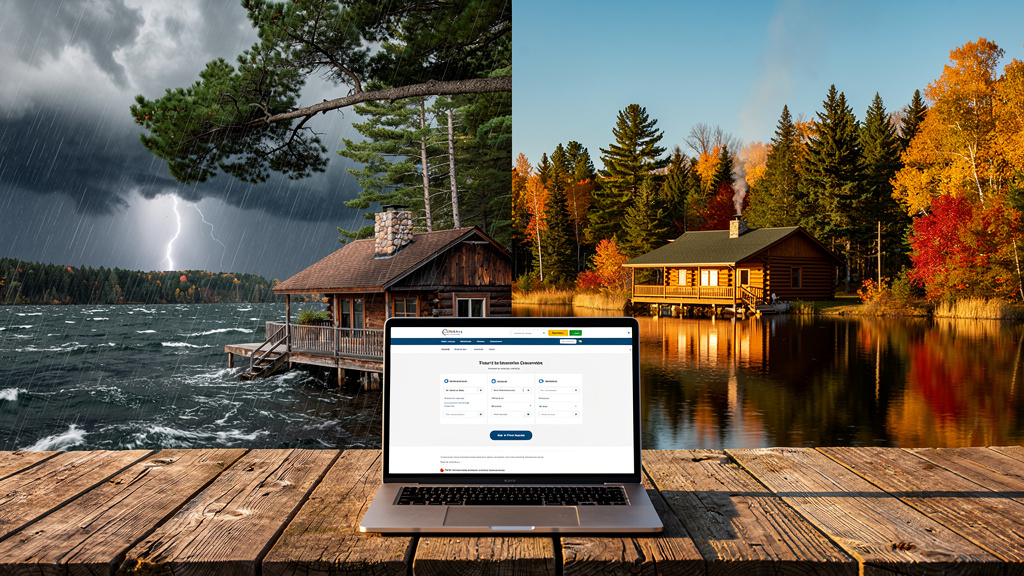
Cabin ownership brings the joy of a personal retreat, but it also comes with risks. When the unexpected happens—fire, storm, theft, or liability—your cabin insurance policy becomes crucial. In this comprehensive roundup, we examine real cabin insurance claims, explore what went right and wrong, and provide expert insights to help you avoid costly mistakes. Whether you’re new to cabin insurance or seeking to optimize your coverage, these cabin insurance stories offer valuable lessons from real owners.
Table of Contents
- Why Cabin Insurance Claims Matter
- Common Types of Cabin Insurance Claims
- Case Study 1: Fire Damage from a Wood-Burning Stove
- Case Study 2: Storm Damage and Water Intrusion
- Case Study 3: Burglary During the Off-Season
- Case Study 4: Liability Claim from Guest Injury
- Key Lessons Learned from Cabin Insurance Claims
- Expert Tips for a Smoother Claims Process
- FAQs About Cabin Insurance Claims
- Conclusion
Why Cabin Insurance Claims Matter
Cabin insurance claims are more than paperwork—they are the real test of your policy’s protection. Unlike standard home insurance, cabin insurance often covers unique risks like remote locations, extended vacancies, or rental usage. Understanding how claims play out in real situations helps you spot coverage gaps and prepare for the unexpected.
Common Types of Cabin Insurance Claims
- Fire damage (e.g., from wood stoves or wildfire)
- Storm and weather-related damage (wind, hail, flooding)
- Theft and vandalism (especially during vacant periods)
- Liability claims (guest injuries, accidents on property)
- Water damage (burst pipes, ice dams, leaks)
Each type of claim brings its own challenges and lessons. Let’s dive into real cabin insurance stories to see how actual owners navigated the process.
Case Study 1: Fire Damage from a Wood-Burning Stove
The Situation
Jane and Mark owned a rustic cabin in the mountains. One winter, a creosote buildup in their wood-burning stove’s chimney ignited, causing a fire that damaged the living room and roof.
The Claim
Jane quickly contacted her insurer, submitted photos, and provided maintenance records for the stove and chimney. The adjuster visited within a week. However, the insurer questioned whether the couple had performed regular chimney cleanings as required by the policy.
Outcome
Because Jane kept detailed receipts from annual chimney cleanings, the claim was ultimately approved, covering repairs and smoke remediation. However, the process took longer than expected due to the documentation review.
What Went Right
- Quick reporting and thorough documentation
- Proof of regular maintenance matched policy requirements
What Went Wrong
- Delay due to insurer’s scrutiny of maintenance records
Takeaway
Always document and retain records of required maintenance for your cabin systems. This can make or break your claim.
Case Study 2: Storm Damage and Water Intrusion
The Situation
During a severe thunderstorm, a tree branch broke a window in Alex’s lakeside cabin, allowing rainwater to soak the floors and furniture.
The Claim
Alex reported the damage immediately, but due to the cabin’s remote location, the adjuster couldn’t visit for over a week. In the meantime, mold began to develop.
Outcome
The insurer covered the initial storm damage but denied coverage for the mold remediation, citing delayed mitigation efforts.
What Went Right
- Prompt claim notification
What Went Wrong
- Lack of immediate action to prevent further damage (e.g., covering the window, drying the area)
Takeaway
Take reasonable steps to prevent further damage after an incident, even before the adjuster arrives. Document your actions and expenses for reimbursement.
Case Study 3: Burglary During the Off-Season
The Situation
Linda’s cabin was burglarized in early spring. The thieves broke in through a rear window, stealing electronics, tools, and several sentimental items.
The Claim
Linda discovered the break-in weeks after it occurred. She filed a police report and contacted her insurer but struggled to provide proof of ownership for some of the stolen belongings.
Outcome
The insurer reimbursed Linda for items with purchase receipts or photos but denied coverage for undocumented items.
What Went Right
- Prompt reporting to police and insurer upon discovery
What Went Wrong
- Insufficient documentation for several stolen items
Takeaway
Maintain a current inventory of your cabin’s contents, including photos and receipts. Store digital backups offsite or in the cloud.
Case Study 4: Liability Claim from Guest Injury
The Situation
Paul rented out his cabin on weekends. One guest slipped on an icy porch step and suffered a sprained ankle, resulting in medical expenses and lost work time.
The Claim
The guest filed a liability claim. Paul’s insurer asked for proof of reasonable safety measures and evidence of regular property upkeep.
Outcome
Paul’s claim was covered because he had documented regular snow removal and had posted warning signs about slippery conditions. The insurer settled the guest’s claim without litigation.
What Went Right
- Proactive risk management and documentation
- Clear communication with guests about potential hazards
What Went Wrong
- None in this case; proper procedures protected Paul
Takeaway
If you rent your cabin, take safety seriously. Document your maintenance and communicate risks to guests to reduce liability exposure.
Key Lessons Learned from Cabin Insurance Claims
- Documentation is critical. Keep receipts, photos, and maintenance records to support your claim.
- Act quickly. Promptly report damage and take reasonable steps to prevent further loss.
- Know your policy. Understand what’s covered, your responsibilities, and any exclusions that may apply to your cabin’s unique risks.
- Maintain an inventory. A digital inventory makes theft claims much smoother.
- Practice risk management. Proactive safety measures protect you from liability claims.
Expert Tips for a Smoother Claims Process
- Review your cabin insurance coverage options annually and update as needed.
- Store important documentation in a secure, digital format.
- Understand your duties after a loss—many policies require you to prevent further damage.
- Consider additional coverage if you rent your cabin or use it seasonally.
- Consult your insurer or a cabin insurance expert to clarify any policy questions.
FAQs About Cabin Insurance Claims
- How long does a typical cabin insurance claim take?
- Claim timelines vary, but most property claims are resolved within 30-60 days, depending on complexity and documentation.
- What should I do immediately after discovering damage?
- Notify your insurer, take photos, prevent further damage, and keep receipts for any emergency repairs.
- Can I appeal a denied claim?
- Yes, request a detailed explanation from your insurer and submit additional evidence if available. Consulting an insurance advocate can help.
Conclusion
Cabin insurance stories from real owners offer invaluable insights into the claims process. By learning from these cabin insurance case studies, you can better prepare, document, and protect your investment.
Actionable Takeaways:
- Keep detailed maintenance and inventory records
- Act quickly to report and mitigate damage
- Review your policy regularly to ensure proper coverage