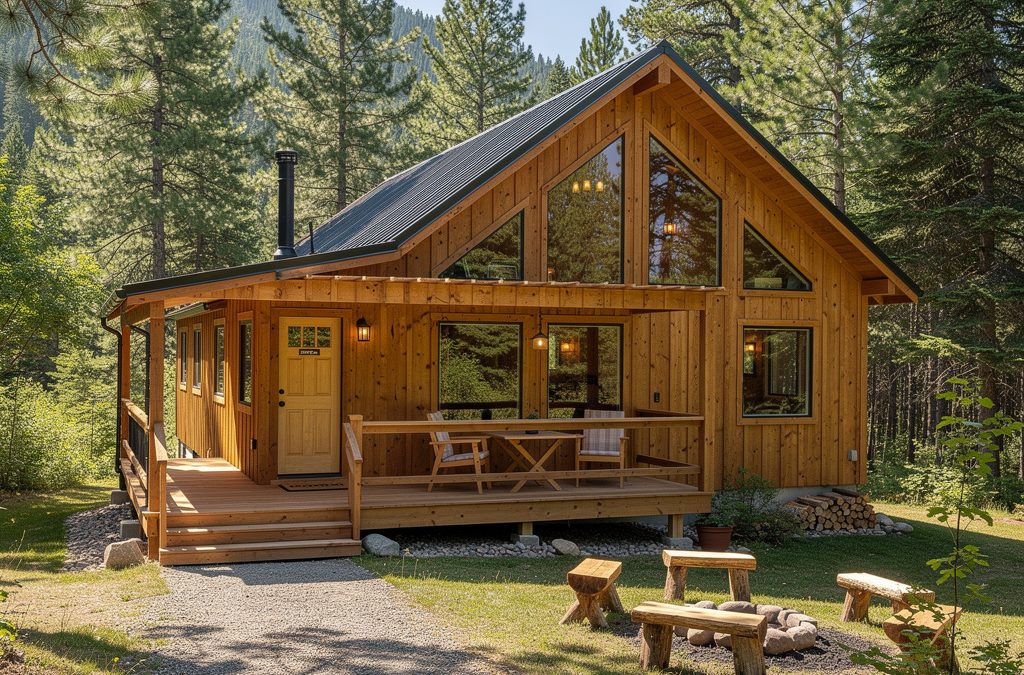
Renting out your cabin as a vacation rental can be a rewarding source of income, but it also introduces risks that traditional homeowners insurance may not cover. Whether you’re listing your property on Airbnb, Vrbo, or managing it independently, understanding the ins and outs of vacation rental cabin insurance is crucial. This step-by-step guide will help you navigate the process, from identifying your coverage needs to selecting the right policy and maintaining your protection over time.
Table of Contents
-
- Why Specialized Insurance Matters for Vacation Rental Cabins
- Step 1: Evaluate Your Current Coverage
- Step 2: Understand Short-Term Rental Insurance Options
- Step 3: Identify Key Coverage Areas
- Step 4: Shop for Vacation Rental Cabin Insurance
- Step 5: Review Policy Details and Exclusions
- Step 6: Maintain and Update Your Policy
- Practical Examples and Case Studies
- Actionable Takeaways for Cabin Owners
- Frequently Asked Questions
Why Specialized Insurance Matters for Vacation Rental Cabins
Many cabin owners mistakenly believe that their standard homeowners insurance provides adequate protection for short-term rentals. In reality, most policies exclude business activities or limit coverage when a property is rented to guests. Failing to secure specialized vacation rental cabin insurance can leave you exposed to substantial financial risk from property damage, liability claims, or even lost income due to covered events.
- Short-term rental insurance is specifically designed for properties rented on a nightly or weekly basis.
- Platforms like Airbnb offer limited coverage, but this may not be comprehensive or reliable for all situations.
- Proper insurance ensures compliance with local laws and rental platform requirements.
Step 1: Evaluate Your Current Coverage
Start by reviewing your existing homeowners or landlord insurance policy. Ask your provider:
- Does my policy cover short-term rental activity?
- Are there exclusions for business use or paying guests?
- How does my policy handle liability for guest injuries?
- Is damage caused by guests covered?
Most standard policies will have gaps when it comes to short-term rentals. For example, a claim for guest-caused water damage could be denied if your insurer considers the activity a business use not covered under your policy.
Step 2: Understand Short-Term Rental Insurance Options
Short-term rental insurance bridges the coverage gap left by traditional home insurance. Policies can be purchased as:
- Endorsements: Add-ons to your existing policy that expand coverage for short-term rentals.
- Standalone policies: Specialized plans designed for vacation rental properties, often with broader protection.
- Platform-provided insurance: Limited coverage offered by platforms like Airbnb’s Host Protection Insurance (but beware of exclusions and limits).
Compare options from providers specializing in vacation rental insurance, such as Proper Insurance, CBIZ, or Foremost. Each offers unique features suited for different cabin rental scenarios.
Example: Airbnb Host vs. Dedicated Short-Term Rental Policy
Emily rents out her mountain cabin on Airbnb. She relies solely on Airbnb’s Host Guarantee, which doesn’t cover liability for guest injuries. After a guest slips on an icy walkway, Emily faces a lawsuit for medical expenses. Airbnb’s coverage is insufficient, but a dedicated short-term rental policy would have provided robust liability protection.
Step 3: Identify Key Coverage Areas
When choosing vacation rental cabin insurance, ensure your policy addresses these core risks:
- Property Damage: Covers your cabin and contents against fire, theft, vandalism, and guest-caused damage.
- Liability Protection: Protects against bodily injury or property damage claims from guests or third parties.
- Loss of Income: Reimburses lost rental income if the cabin becomes uninhabitable due to a covered event.
- Legal Expenses: Covers legal defense costs associated with covered claims.
- Add-ons: Coverage for amenities (hot tubs, boats), pet-related incidents, liquor liability, etc.
Coverage Checklist
- Are both building and contents included?
- Is accidental damage by guests covered?
- Are common guest amenities (fire pits, docks) listed?
- Does the policy cover bookings made through different platforms?
Step 4: Shop for Vacation Rental Cabin Insurance
Gather quotes from multiple insurance providers. When comparing policies, consider:
- Coverage limits and deductibles
- Exclusions and conditions
- Premium cost vs. value of protection
- Claims process and customer service reputation
- Flexibility for seasonal vs. year-round rentals
Ask for sample policies and review customer testimonials. Some insurers allow bundling with other property or umbrella policies for discounts.
Case Study: Choosing the Right Policy
John owns a lakeside cabin that he rents out in summer. He compares three insurers: one offers high liability protection but limited loss of income, another has broad property coverage with higher premiums, and a third specializes in seasonal rentals. John selects the policy that best matches his needs and risk tolerance, factoring in his cabin’s unique location and amenities.
Step 5: Review Policy Details and Exclusions
Don’t assume all risks are covered. Common exclusions to watch for:
- Intentional damage by guests
- Certain high-risk amenities (e.g., trampolines, unprotected pools)
- Lack of proper permits or code violations
- Long-term rentals (over 30 days) not classified as short-term
Clarify any ambiguous language with your insurance agent. Keep documentation of all guest bookings and maintenance records to support potential claims.
Step 6: Maintain and Update Your Policy
Reassess your coverage annually or whenever you:
- Renovate or upgrade your cabin
- Add new amenities (hot tub, dock, etc.)
- Change your rental frequency or platform
- Experience a claim or near-miss incident
Notifying your insurer of changes ensures your policy remains valid and effective.
Practical Examples and Case Studies
Case Study 1: Guest Injury Liability
Scenario: A guest slips on icy stairs and suffers a broken arm. The guest files a lawsuit seeking compensation for medical bills and lost wages.
Resolution: The owner’s short-term rental insurance policy covers legal expenses and pays out the settlement, protecting the owner’s personal assets.
Case Study 2: Property Damage from Guests
Scenario: A group of renters causes a fire in the kitchen, resulting in extensive smoke and structural damage.
Resolution: The insurance policy reimburses the owner for repairs and compensates for lost rental income during the restoration period.
Case Study 3: Platform Insurance Limitations
Scenario: A tree falls on the cabin during a guest stay. The owner files a claim through the rental platform’s host protection program, but the payout is capped and does not cover all damages.
Resolution: Because the owner also had a dedicated short-term rental policy, the remaining costs were covered.
Actionable Takeaways for Cabin Owners
- Review your current homeowners or landlord insurance for rental exclusions.
- Secure dedicated vacation rental cabin insurance tailored to your property and activity.
- Understand policy exclusions and document all communications with guests.
- Regularly update your insurance as your rental business evolves.
- Consider bundling policies or adding umbrella liability for extra protection.
Frequently Asked Questions
- Does my homeowners insurance cover short-term rentals?
- Typically, no. Most standard policies exclude coverage for business activities like vacation rentals. Specialized short-term rental insurance is recommended.
- What if I only rent my cabin a few times per year?
- Some insurers offer flexible policies for occasional rentals. Always disclose rental activity to ensure proper coverage.
- Is Airbnb’s host insurance sufficient?
- Airbnb provides limited coverage, but it may not include all types of property damage or liability. A dedicated policy offers more comprehensive protection.
- How much does vacation rental cabin insurance cost?
- Premiums vary based on location, property value, rental frequency, and coverage limits. Expect to pay more than standard homeowners insurance due to increased risks.
Conclusion
Securing the right insurance for your vacation rental cabin is not only a smart business move—it’s essential for peace of mind. By following these steps and staying proactive with your coverage, you can focus on providing a safe and enjoyable experience for your guests, while protecting your investment for years to come.