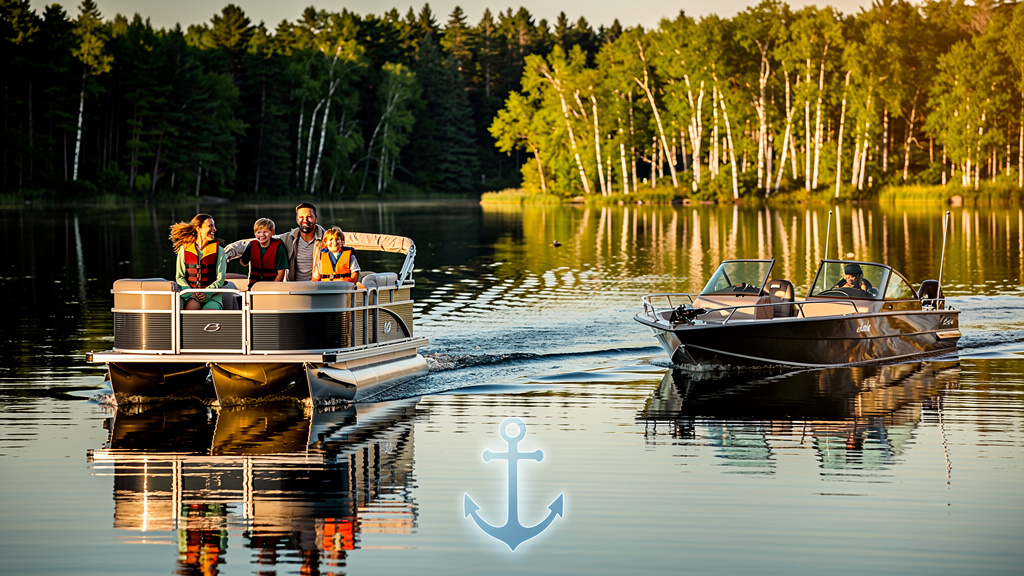
The Ultimate Guide to Boat Insurance MN
Owning a boat opens up a world of adventure, freedom, and unforgettable experiences on the water. But just as you wouldn’t drive a car without insurance, navigating the waters without proper boat insurance can leave you vulnerable to unexpected risks and costly setbacks. If you’re new to boating or considering buying your first watercraft, understanding boat insurance isn’t just smart—it’s essential. Yet, with so many coverage options, policy terms, and legal requirements, finding the right protection can feel overwhelming.
Welcome to your one-stop resource for boat insurance. This ultimate guide is designed specifically for beginners, providing clear, reliable information you can trust. Whether you own a speedboat, sailboat, fishing vessel, or pontoon, our goal is to demystify boat insurance and empower you to make confident, informed decisions. Drawing on industry expertise and the latest regulations, we’ll answer your biggest questions and help you safeguard your investment—so you can enjoy the water worry-free.
In this comprehensive guide, you’ll learn:
- What boat insurance is and why it matters
- The different types of coverage available—and what each protects
- How much boat insurance costs and what impacts your premium
- Common mistakes to avoid as a first-time policyholder
- Tips for choosing the right policy for your needs and budget
- What to do in case of an accident or claim
Whether you’re seeking peace of mind for yourself, your passengers, or your prized vessel, this guide will walk you through every step of the boat insurance process. Let’s set sail on the journey to confident, protected boating—starting with the basics.
Table of Contents
-
- Boat Insurance 101: Understanding the Basics
- What Is Boat Insurance?
- Why Boat Insurance Is Necessary
- Is Boat Insurance Required by Law?
- Key Boat Insurance Terms Every Beginner Should Know
- What Does a Typical Boat Insurance Policy Cover?
- Common Exclusions in Boat Insurance
- How Is the Cost of Boat Insurance Determined?
- Summary Table: Boat Insurance Basics at a Glance
- Getting Started: First Steps for Boat Insurance Beginners
- Conclusion: Building a Foundation for Safe and Smart Boating
- Types of Boat Insurance Policies and Coverage Options
- Core Types of Boat Insurance Policies
- Optional Add-Ons & Specialized Coverage
- Coverage Limits and Deductibles
- Comparison Table: Core Policy Types
- Comparison Table: Optional Add-Ons
- Practical Examples: How Coverage Works
- Actionable Insights: Building the Right Policy
- Summary Table: Quick Reference
- Key Takeaways
- How to Choose the Right Boat Insurance: Step-by-Step Process
- Step 1: Evaluate Your Boat Insurance Needs
- Step 2: Decide on Coverage Types and Limits
- Step 3: Gather Essential Boat and Personal Information
- Step 4: Request and Compare Quotes from Multiple Insurers
- Step 5: Read the Fine Print—Understand Exclusions and Limitations
- Step 6: Finalize Your Policy and Understand Your Responsibilities
- Summary: Your Boat Insurance Decision Roadmap
- Filing a Claim: Real-World Case Studies and Best Practices
- Expert Insights: Saving Money and Avoiding Common Mistakes
- Conclusion: Proactive Steps Lead to Savings and Security
- Frequently Asked Questions
- Conclusion
- Boat Insurance 101: Understanding the Basics
Boat Insurance MN: Understanding the Basics
Owning a boat is a source of joy and adventure, but it also comes with risks and responsibilities. Boat insurance is designed to protect you, your watercraft, and your financial interests from unexpected events on and off the water. Whether you’re a new boat owner or considering your first policy, understanding the fundamentals of boat insurance is essential. This section provides a comprehensive guide to the basics of boat insurance, including core definitions, the necessity of coverage, legal considerations, and key terminology every beginner should know.
What Is Boat Insurance?
Boat insurance is a specialized policy that provides financial protection against risks associated with owning and operating a watercraft. It can cover a variety of vessels, from small fishing boats to luxury yachts, and typically includes coverage for damage, liability, theft, and more.
Types of Watercraft Generally Covered
- Powerboats (motorboats, speedboats, runabouts)
- Sailboats
- Personal watercraft (PWCs) like Jet Skis and WaveRunners
- Fishing boats
- Yachts
- Pontoon boats
Note: Some smaller vessels, such as canoes or kayaks, may be covered under your homeowner’s policy, but it’s important to verify this with your insurer.
Why Boat Insurance Is Necessary
Many boaters underestimate the risks involved in owning and operating a boat. Boat insurance offers critical protection in several scenarios:
- Accidents on Water or Land: Collisions can happen, whether you’re navigating a crowded marina or towing your boat on the highway.
- Theft and Vandalism: Boats are valuable and can be targets for thieves or vandals, especially when stored off-season.
- Natural Disasters: Storms, flooding, and even fire can damage or destroy your vessel.
- Liability for Injuries or Damages: If you cause injury to another person or damage someone else’s property, you could face significant legal and financial consequences.
- Medical Payments: Covers injuries to you and your passengers resulting from boating accidents.
Practical Example: Why You Need Boat Insurance
Imagine you’re enjoying a sunny afternoon on the lake when an unexpected storm causes your boat to drift and collide with another vessel. The damage to both boats is significant, and one of the passengers on the other boat is injured. Without insurance, you could be liable for repair costs, medical expenses, and potential lawsuits. With boat insurance, these risks are covered, protecting your finances and peace of mind.
Is Boat Insurance Required by Law?
The legal requirements for boat insurance vary by location and type of vessel. Here’s what you need to know:
- State Requirements: Most states do not require boat owners to carry insurance for private, recreational vessels. However, some states mandate liability coverage for certain types of boats or for use on specific bodies of water.
- Marina or Lender Requirements: Many marinas require proof of insurance to dock or store your boat. If your boat is financed, your lender will almost always require comprehensive and collision coverage to protect their investment.
- Special Cases: Commercial vessels, charters, or boats used for business purposes are often subject to stricter insurance regulations.
Actionable Insight: Check Your Local Laws
Before hitting the water, check with your state’s boating authority and your marina or club for specific insurance requirements. If your boat is financed, review your loan agreement for mandatory coverage types and limits.
Key Boat Insurance Terms Every Beginner Should Know
Understanding boat insurance terminology is essential for selecting the right policy and making informed decisions. Here are the most important terms to know:
- Agreed Value vs. Actual Cash Value:
- Agreed Value: The insurer pays you the amount you and the insurer agreed your boat is worth at the time the policy is written—no depreciation is considered.
- Actual Cash Value: The insurer pays the current market value of your boat at the time of loss, factoring in depreciation.
- Deductible:A fixed amount you must pay out-of-pocket before your insurance coverage kicks in for a covered loss.
- Liability Coverage:Pays for injuries or damages you cause to others while operating your boat.
- Physical Damage Coverage:Covers repair or replacement costs for your boat if it’s damaged in an accident, by weather, or other covered perils.
- Uninsured/Underinsured Boater:Protects you if you’re involved in an accident with another boater who has little or no insurance.
- Personal Effects Coverage:Covers personal items (like fishing gear, electronics, or clothing) lost or damaged while on your boat.
- Medical Payments Coverage:Pays medical bills for you and your passengers after a boating accident, regardless of fault.
- Navigation Limits:The geographical areas where your policy covers you (e.g., inland lakes, coastal waters, international waters).
- Salvage:Covers the cost to remove or recover your boat if it sinks or is stranded.
- Towing and Assistance:Pays for emergency assistance if your boat becomes disabled on the water.
Example Scenario: Agreed Value vs. Actual Cash Value
If you purchase a new fishing boat for $30,000 and insure it for “agreed value,” you’ll receive the full $30,000 if it’s declared a total loss, minus your deductible. If you choose “actual cash value,” depreciation is applied, so you might receive only $20,000 or less after a few years, depending on the boat’s market value at the time of the loss.
What Does a Typical Boat Insurance Policy Cover?
While policies can be customized, most boat insurance policies include the following basic coverage options:
- Hull and Machinery: Covers physical damage to the boat’s structure and machinery.
- Liability Protection: Protects you if you’re found legally responsible for injuries or property damage.
- Medical Payments: Pays medical expenses for you and your guests.
- Personal Property: Covers personal belongings and equipment on board.
- Uninsured/Underinsured Boater: Protects you from damages caused by another boater with insufficient coverage.
- Towing and Assistance: Pays for on-water assistance and towing.
- Salvage: Covers the cost to recover a sunken or disabled vessel.
Optional Add-Ons (Endorsements)
- Fishing Equipment Coverage
- Trailer Coverage
- Watersports Liability (for tubing, skiing, wakeboarding, etc.)
- Pollution Liability
- Extended Navigation (for international or long-distance travel)
Actionable Insight: Review Your Policy Carefully
Not all policies are created equal. Carefully review your policy’s inclusions, exclusions, and coverage limits. If you use your boat for special activities (like charters, fishing tournaments, or watersports), discuss these with your insurer to ensure you have adequate protection.
Common Exclusions in Boat Insurance
Understanding what’s not covered is as important as knowing what is. Typical exclusions include:
- Wear and tear or gradual deterioration
- Manufacturer defects
- Damage from marine life (e.g., sharks, mussels)
- Lack of maintenance or neglect
- Racing (unless specifically covered)
- Commercial or business use (unless endorsed)
- Operating outside navigation limits
Practical Example: Exclusion in Action
If your boat suffers engine failure due to lack of maintenance, your claim could be denied. However, if the engine is damaged in a covered accident, your insurance would likely pay for repairs (minus any deductible).
How Is the Cost of Boat Insurance Determined?
Several factors impact your insurance premium. Understanding these factors can help you make informed decisions and potentially lower your costs:
- Type, age, and value of your boat
- Horsepower and speed capabilities
- Usage (recreational, commercial, liveaboard, etc.)
- Storage location (marina, home, dry dock)
- Operating region (inland, coastal, international waters)
- Your boating experience and safety certifications
- Claims history
- Chosen coverage types and deductibles
Actionable Insight: Save on Premiums
- Take a boater safety course to qualify for discounts
- Bundle boat insurance with other policies (home, auto)
- Increase your deductible for lower premiums (but ensure it’s affordable)
- Install safety devices (alarms, GPS tracking, automatic fire extinguishers)
- Maintain a claims-free record
Summary Table: Boat Insurance Basics at a Glance
| Coverage Type | What It Protects | Is It Required? |
|---|---|---|
| Physical Damage | Your boat, motor, and equipment | Required by lenders/marinas; optional otherwise |
| Liability | Injuries or damages you cause to others | Sometimes required by marinas or for certain boats |
| Medical Payments | Injuries to you or your passengers | Optional |
| Uninsured Boater | Injuries/damages from uninsured boaters | Optional |
| Personal Effects | Personal property on board | Optional |
| Towing/Assistance | On-water breakdowns | Optional |
Getting Started: First Steps for Boat Insurance Beginners
If you’re new to boat insurance, follow these steps to get started:
- Determine your boat’s value and usage patterns (recreational, commercial, etc.).
- Research local/state requirements and marina/lender mandates.
- Decide which coverage options best fit your needs and budget.
- Collect information about your boat (year, make, model, serial number).
- Shop around and compare policies from reputable insurers.
- Ask about available discounts for safety courses, bundling, or security devices.
- Read the policy carefully, paying attention to inclusions, exclusions, and coverage limits.
- Maintain your boat and keep safety equipment up to date to minimize risks and claims.
Conclusion: Building a Foundation for Safe and Smart Boating
Understanding the basics of boat insurance is the first step toward protecting your investment and enjoying worry-free time on the water. By familiarizing yourself with key coverage types, legal requirements, and important terms, you can make confident decisions and tailor your policy to fit your boating lifestyle. Remember, every boater’s needs are unique—review your options, ask questions, and work with a knowledgeable insurance provider to build the right coverage for you.
Types of Boat Insurance Policies and Coverage Options
Selecting the right boat insurance policy is essential for protecting your investment and ensuring peace of mind while enjoying time on the water. There are several types of boat insurance policies and numerous coverage options that address a variety of risks, from liability for accidents to damage caused by storms or theft. Understanding these options is the first step to building a policy that fits your needs and budget.
Core Types of Boat Insurance Policies
Boat insurance policies are generally designed around the type and extent of coverage they provide. It’s important to know the differences between each core policy type to make an informed decision. Below are the primary types of boat insurance:
1. Liability-Only Policies
Liability-only policies cover damages or injuries you may cause to other people or their property while operating your boat. This is the most basic form of boat insurance, often required by marinas or lenders.
- Bodily Injury Liability: Pays for injuries caused to others in an accident where you are at fault.
- Property Damage Liability: Covers damage to another person’s boat, dock, or other property.
- Legal Defense: Includes legal expenses if you are sued after an accident.
Example: If you accidentally collide with another boat, liability coverage will pay for the other party’s repair costs and any medical bills resulting from the accident.
2. Comprehensive Policies
Comprehensive boat insurance provides more extensive protection, covering not only liability but also many non-collision incidents such as theft, vandalism, fire, and weather-related damages.
- Theft and Vandalism: Covers the loss of your boat or accessories due to theft or malicious damage.
- Weather Events: Protects against losses from storms, hail, lightning, or flooding (specific perils vary by policy).
- Fire: Pays for repairs or replacement if your boat is damaged in a fire.
Example: If your boat is vandalized while docked at the marina, a comprehensive policy will cover the cost of repairs.
3. Collision Policies
Collision coverage pays for damage to your boat caused by a collision with another vessel or object, such as a dock or submerged debris. This is often included in comprehensive policies but may be purchased separately.
- Accidental Impact: Covers direct physical damage resulting from accidental contact with other boats or objects.
- Repair and Replacement: Pays for repairs or replacement of the boat’s hull and other affected components.
Example: If you hit a submerged log and damage your hull, collision coverage will pay for the repairs, minus your deductible.
4. Agreed Value vs. Actual Cash Value Policies
Boat insurance policies typically use one of two methods to determine how much you will be paid in the event of a total loss:
- Agreed Value: You and your insurer agree on the boat’s value when the policy is written. If your boat is totaled, you receive the agreed-upon amount, regardless of depreciation.
- Actual Cash Value (ACV): The payout is based on the current market value of your boat at the time of loss, accounting for depreciation and wear-and-tear.
Tip: Agreed value policies usually have higher premiums but provide more predictable payouts. ACV policies are more affordable, but you may receive less if you file a claim.
Optional Add-Ons & Specialized Coverage
Beyond the core policy types, insurers offer a range of optional coverages and add-ons to tailor your policy to your boating lifestyle and the specific risks you face.
1. Uninsured/Underinsured Boater Coverage
Protects you and your passengers if you’re involved in an accident with another boater who has little or no insurance. This coverage can pay for medical bills and repairs if the at-fault party cannot cover your losses.
2. Medical Payments Coverage
Pays for medical expenses for you and your passengers in the event of an accident, regardless of who is at fault. This can include ambulance fees, hospital bills, and rehabilitation costs.
3. Personal Effects Coverage
Covers the loss of personal items on your boat, such as fishing equipment, electronics, clothing, and other valuables.
4. Towing and Assistance Coverage
Provides reimbursement for towing your boat to shore if it becomes disabled, as well as other emergency assistance such as fuel delivery or jump-starts.
5. Trailer Coverage
Extends protection to your boat trailer, covering damages or theft while your vessel is being transported or stored.
6. Fuel Spill and Wreck Removal
Pays for the costs associated with cleaning up fuel spills and removing your boat from the water after a covered loss, as required by environmental regulations.
7. Fishing Equipment & Special Gear Coverage
For anglers and water sports enthusiasts, specialized add-ons can protect high-value fishing gear, water skis, wakeboards, and other equipment that may not be included in basic personal effects coverage.
8. Consequential Damage Coverage
Covers damage resulting from wear and tear, corrosion, or mechanical breakdown that leads to a covered loss (for example, if a worn-out hose causes your engine to flood).
9. Boat Rental Liability
If you rent out your boat, this add-on can protect you from liability claims made by renters or third parties.
Coverage Limits and Deductibles
Every boat insurance policy includes coverage limits and deductibles that determine how much you’ll pay out of pocket and the maximum amount your insurer will pay for a covered claim.
- Coverage Limit: The maximum amount your insurer will pay for a claim or for specific categories of loss (e.g., $100,000 for liability, $5,000 for personal effects).
- Deductible: The amount you are responsible for paying before your insurance coverage kicks in (e.g., $500 or $1,000 per claim).
Actionable Insight: Choose coverage limits that match the value of your boat, your assets, and your potential liability exposure. Higher deductibles typically result in lower premiums but increase your out-of-pocket costs in the event of a claim.
Comparison Table: Core Policy Types
| Coverage Type | What It Covers | Best For | Common Exclusions |
|---|---|---|---|
| Liability-Only | Bodily injury and property damage to others, legal fees | Budget-conscious boaters, required minimum coverage | Damage to your own boat, theft, weather events |
| Comprehensive | Liability plus theft, vandalism, fire, weather damage | Boat owners seeking broad protection | Mechanical breakdown, normal wear and tear |
| Collision | Physical damage to your boat from collisions | High-traffic waterways, risk of collision | Non-collision events (theft, fire, weather) |
| Agreed Value | Pays pre-agreed value for total loss | New or high-value boats, predictable payouts | Limited to agreed amount, may not reflect market increases |
| Actual Cash Value | Pays depreciated value at time of loss | Older boats, lower premiums | Lower payout due to depreciation |
Comparison Table: Optional Add-Ons
| Add-On Coverage | What It Protects | Typical Limit | Commonly Excluded |
|---|---|---|---|
| Uninsured/Underinsured Boater | Injuries/damages from uninsured boaters | $10,000–$1,000,000 | Damage when at-fault party is insured |
| Medical Payments | Medical expenses for you and passengers | $1,000–$25,000 | Medical costs beyond policy limit |
| Personal Effects | Loss of personal property on board | $1,000–$5,000 | Unlisted items, cash, jewelry |
| Towing & Assistance | Emergency towing and on-water help | $500–$5,000 | Routine maintenance, non-emergencies |
| Trailer Coverage | Damage or theft of trailer | Up to trailer’s value | Wear and tear, improper use |
| Fuel Spill & Wreck Removal | Cleanup and boat removal costs | $500–$25,000 | Non-covered losses, intentional acts |
| Fishing Equipment & Special Gear | Loss of specific sporting equipment | $1,000–$10,000 | Unscheduled or business-use gear |
Practical Examples: How Coverage Works
- Scenario 1: You accidentally run aground, damaging your boat’s hull.Covered by: Collision or Comprehensive Coverage (depending on policy).
- Scenario 2: A storm causes your docked boat to break free and sustain heavy damage.Covered by: Comprehensive Coverage.
- Scenario 3: A guest slips and is injured while boarding your boat.Covered by: Liability and/or Medical Payments Coverage.
- Scenario 4: Expensive fishing rods are stolen from your locked cabin.Covered by: Personal Effects & Fishing Equipment Add-On.
- Scenario 5: Your boat trailer is stolen while parked at your home.Covered by: Trailer Coverage.
Actionable Insights: Building the Right Policy
- Assess Your Needs: Consider the value, age, and type of your boat as well as your boating habits (freshwater vs. saltwater, inland vs. coastal).
- Bundle for Savings: Some insurers offer discounts for bundling boat insurance with home or auto policies.
- Review Coverage Annually: Update your policy to reflect upgrades, new equipment, or changes in usage.
- Understand Exclusions: Know what is not covered, such as normal wear and tear, intentional damage, or business use.
- Shop Around: Compare quotes and coverage details from multiple insurers to find the best fit.
Summary Table: Quick Reference
| Coverage Feature | Included in Standard Policy? | Available as Add-On? |
|---|---|---|
| Liability | Yes | No |
| Collision | Varies | Yes |
| Comprehensive | Varies | Yes |
| Uninsured Boater | No | Yes |
| Medical Payments | No | Yes |
| Personal Effects | No | Yes |
| Towing & Assistance | No | Yes |
| Trailer Coverage | No | Yes |
| Wreck Removal / Fuel Spill | No | Yes |
Key Takeaways
- Boat insurance policies can be tailored to your needs with core coverage types and optional add-ons.
- Understand the difference between liability, comprehensive, and collision coverage, as well as how agreed value and ACV policies affect payouts.
- Choose appropriate coverage limits and deductibles to balance protection with affordability.
- Review your policy annually and update it as your boating needs evolve.
By understanding your options and customizing your boat insurance policy, you can safeguard your investment and enjoy your time on the water with confidence.
How to Choose the Right Boat Insurance: Step-by-Step Process
Selecting the right boat insurance doesn’t have to be overwhelming. By following a structured process, you can confidently assess your needs, compare policies, and make an informed decision. This guide walks you through every step, from evaluating your unique situation to finalizing your policy, ensuring your watercraft – and your peace of mind – are well protected.
Step 1: Evaluate Your Boat Insurance Needs
The first step to choosing boat insurance is understanding exactly what you need. Every boater’s situation is unique, so start by assessing your vessel, usage, and personal risk factors.
Checklist: Assessing Your Needs
- Type of boat: Is it a sailboat, motorboat, yacht, or personal watercraft?
- Value of the boat: What is the current market value?
- Usage patterns: Do you use your boat for leisure, fishing, racing, or commercial purposes?
- Location: Where do you operate your boat? (Freshwater, saltwater, inland, coastal, international waters)
- Storage: Where is your boat kept when not in use? (Marina, private dock, trailer, storage facility)
- Legal requirements: Are there state or marina insurance minimums you must meet?
- Passenger liability: Will you often have guests on board?
- Additional equipment: Do you have expensive gear or electronics on the boat?
Example: If you own a 24-foot fishing boat valued at $30,000 and dock it at a marina year-round, your needs will differ from someone who owns a small sailboat stored on a trailer at home.
Step 2: Decide on Coverage Types and Limits
Boat insurance isn’t one-size-fits-all. Understand the different coverage options and select the ones that make sense for your situation.
Common Boat Insurance Coverages
- Liability Coverage: Protects you if you’re responsible for injuries or property damage to others.
- Physical Damage (Hull) Coverage: Pays for repairs or replacement of your boat after an accident, theft, fire, or natural disaster.
- Medical Payments Coverage: Covers medical expenses for you and your passengers, regardless of fault.
- Uninsured/Underinsured Boater: Protects you if another boater causes damage and lacks adequate insurance.
- Personal Effects Coverage: Insures fishing gear, electronics, and other equipment on board.
- Towing and Assistance: Covers costs for emergency towing, fuel delivery, or breakdowns.
- Agreed Value vs. Actual Cash Value: Decide whether you want a policy that pays out the boat’s current value (depreciated) or a pre-agreed amount in case of total loss.
Actionable Tip:
Make a list of your priorities. For example, if you regularly host guests, prioritize higher liability and medical payment limits.
Step 3: Gather Essential Boat and Personal Information
To get accurate quotes, insurers will ask for detailed information. Having these details ready will streamline the process.
- Boat make, model, year, and hull identification number
- Engine type and horsepower
- Purchase price and current estimated value
- Usage history (frequency, purposes, areas navigated)
- Storage/location details
- Previous insurance claims (if any)
- Your boating experience and safety certifications
Example:
If you’ve completed a boating safety course, mention it. Many insurers offer discounts for certified boaters.
Step 4: Request and Compare Quotes from Multiple Insurers
Don’t settle for the first quote you receive. Different companies offer varying coverage options, exclusions, and pricing. Request at least three quotes for a well-rounded comparison.
Checklist: What to Provide When Requesting Quotes
- Your personal and boat details (as outlined above)
- Desired coverage types and limits
- Any specific requirements (e.g., international cruising, racing, high-value equipment)
- Details about prior claims or incidents
Decision-Making Framework: Comparing Quotes
- Coverage: Are all the key coverages you need included? Are there any gaps?
- Limits and Deductibles: Are the policy limits adequate, and are deductibles affordable?
- Cost: What is the annual premium? Are there discounts available (e.g., for safety gear, bundling home/auto policies)?
- Insurer Reputation: Check reviews, ratings (AM Best, J.D. Power), and claim satisfaction scores.
- Customer Service: Is the company responsive and helpful during the quoting process?
Practical Example:
Suppose you receive three quotes:
- Insurer A: $600/year, $1,000 deductible, $100,000 liability, $30,000 agreed value.
- Insurer B: $800/year, $500 deductible, $300,000 liability, $30,000 actual cash value.
- Insurer C: $650/year, $1,000 deductible, $100,000 liability, $30,000 agreed value, includes towing.
Don’t just pick the cheapest. Consider whether Insurer B’s higher liability is worth the extra cost, or if Insurer C’s included towing adds value.
Step 5: Read the Fine Print—Understand Exclusions and Limitations
Insurance policies contain exclusions and limitations that could affect your coverage. Carefully review these details before making a decision.
Common Exclusions to Watch For
- Wear and tear, gradual deterioration
- Manufacturer defects
- Damage from improper maintenance
- Operating the boat outside covered waters
- Racing (unless specifically added)
- Unattended boat theft (if not properly secured)
- Using the boat for commercial purposes
Actionable Checklist: Questions to Ask
- What activities are not covered?
- Are there limits on where I can operate my boat?
- Does the policy cover my trailer or personal belongings?
- How are partial and total losses handled?
- What is the claims process like?
Example: If you plan to take your boat to the Bahamas, confirm your coverage extends outside U.S. waters.
Step 6: Finalize Your Policy and Understand Your Responsibilities
Once you’re confident in your choice, it’s time to finalize your policy. Review all documents carefully, confirm all details are correct, and ask your insurer about next steps.
Key Actions Before Signing
- Double-check coverage amounts, deductibles, and exclusions.
- Verify that all agreed endorsements (like towing or equipment coverage) are included.
- Set up payment and understand the renewal process.
- Ask about digital access to policy documents and proof of insurance.
- Know how to contact your agent for claims or questions.
Your Ongoing Responsibilities
- Maintain your boat according to manufacturer recommendations.
- Notify your insurer of any significant changes (ownership, storage location, upgrades).
- Keep records of upgrades, maintenance, and receipts for insured items.
- Renew your policy on time to avoid lapses in coverage.
Tip: Set a yearly reminder to review your policy. As your boat ages or your needs change, adjusting your coverage can save money and ensure adequate protection.
Summary: Your Boat Insurance Decision Roadmap
Choosing the right boat insurance is a matter of careful planning and comparison. Use this step-by-step process to ensure you’re fully protected on the water:
- Evaluate your boat, usage, and risk factors
- Decide on the coverage types and limits you need
- Gather all necessary information
- Request and compare multiple quotes
- Read the fine print and understand exclusions
- Finalize your policy and stay proactive with updates
With this framework, you’ll not only secure the best coverage for your boat but also gain confidence as a responsible and informed boat owner.

Filing a Claim: Real-World Case Studies and Best Practices
Filing a boat insurance claim can be daunting, especially if it’s your first time. Understanding the process, knowing what to expect, and learning from real-world scenarios can help you navigate your claim successfully and avoid common pitfalls. In this section, we’ll walk through the typical claims process, illustrate key steps with real-life case studies, and share best practices to help you achieve the best possible outcome.
The Boat Insurance Claims Process: Step-by-Step
- Assess the Situation and Ensure Safety: Before anything else, make sure everyone on board is safe and that there is no immediate danger.
- Document the Incident: Take photos or videos of the damage and surrounding area. If possible, gather witness statements and note weather and water conditions.
- Notify Authorities: If the incident involves injury, another vessel, theft, or significant property damage, contact the Coast Guard, harbor master, or local authorities as required.
- Contact Your Insurance Provider: Report the claim as soon as possible. Most insurers have a 24/7 claims hotline or an online portal.
- Complete Required Forms: Fill out all necessary claim forms, providing accurate and detailed information.
- Work With the Adjuster: An insurance adjuster may inspect the boat, review your documentation, and assess repair costs.
- Repair and Settlement: Once approved, you can proceed with repairs at an authorized facility. The insurer will issue payment based on policy terms.
Case Study 1: Minor Collision at the Marina
Scenario
John, a new boat owner, accidentally scrapes another vessel while docking. The damage is cosmetic but visible on both boats.
How the Claim Unfolded
- John immediately contacted the marina office and exchanged information with the other boat owner.
- He took clear photos of both boats, the dock, and the registration numbers involved.
- John called his insurance company within an hour and provided all documentation, including a written statement describing the event.
- The insurer sent an adjuster who coordinated with the marina and the other party’s insurer.
- Both boats were repaired at approved facilities. The claim was resolved in two weeks, with John only responsible for his deductible.
Lessons Learned
- Act quickly: Immediate reporting and thorough documentation sped up the claims process.
- Be transparent: Honest and detailed communication prevented disputes with the other boat owner and insurer.
- Know your deductible: John’s understanding of his policy helped him anticipate out-of-pocket costs.
Case Study 2: Storm Damage While Moored
Scenario
During a summer thunderstorm, a falling tree damages Maria’s docked sailboat, breaking the mast and puncturing the hull.
How the Claim Unfolded
- Maria photographed the damage and the downed tree immediately after the storm passed.
- She notified her insurance company and the marina, providing a police report and weather service documentation.
- The insurer sent a marine surveyor to assess the damage and estimate repair costs.
- Maria selected a repair shop from her insurer’s preferred network, which expedited approval and repairs.
- The insurance company covered the repairs minus the deductible, and Maria received guidance on preventing future storm damage.
Lessons Learned
- Prepare documentation: Maria’s detailed evidence made the claim straightforward.
- Understand coverage: Knowing her policy covered “acts of nature” gave Maria peace of mind and quick compensation.
- Choose preferred providers: Using the insurer’s recommended repair shop minimized delays and paperwork.
Common Pitfalls and How to Avoid Them
- Delaying the claim: Waiting too long to report an incident can result in denied claims. Always notify your insurer promptly.
- Incomplete documentation: Insufficient photos, missing receipts, or vague incident descriptions can slow down or jeopardize your claim.
- Not understanding your policy: Many claims are denied because the incident isn’t covered or the deductible is higher than expected. Review your policy details regularly.
- Using unauthorized repair shops: Repairs done outside approved networks might not be fully reimbursed or could void parts of your coverage.
Best Practices for a Smooth Claims Experience
- Keep a claims checklist on board: Prepare a list of steps and emergency contacts to follow in case of an incident.
- Maintain updated records: Regularly update your boat’s photos, inventory of equipment, and receipts for upgrades or repairs.
- Review your policy annually: Ensure your coverage matches your current boating habits and vessel value.
- Practice good communication: Stay in touch with your insurer throughout the process and promptly answer any requests for additional information.
When to Seek Professional Help
In complex claims—such as total loss, disputed liability, or complicated legal situations—it can be beneficial to consult a marine insurance broker or maritime attorney. These professionals can:
- Interpret complicated policy language
- Advocate for you during negotiations with the insurer
- Help gather evidence and manage paperwork
- Ensure you receive a fair settlement
Key Takeaways
- Preparation and prompt action are your best tools for a successful claim.
- Thorough documentation and honest communication streamline the process and improve outcomes.
- Learning from real-world cases can help you avoid common mistakes and set realistic expectations.
By following these best practices and learning from the experiences of other boaters, you can approach the boat insurance claims process with confidence, knowing you’re equipped to protect both your vessel and your financial investment.
Expert Insights: Saving Money and Avoiding Common Mistakes
Boat insurance is a crucial investment for anyone who owns or operates a watercraft. However, navigating policy options, understanding discounts, and avoiding pitfalls can be challenging—especially for beginners. To help you make smart decisions, we spoke with seasoned insurance professionals who shared their best advice on reducing premiums, optimizing your coverage, and steering clear of common mistakes. Below, you’ll find expert-backed tips, real-world examples, and practical strategies to help you protect your boat and your wallet.
How to Reduce Your Boat Insurance Premiums
Boat insurance premiums can vary widely depending on a range of factors such as your boat’s type, value, usage, and your own boating history. Fortunately, there are several proven ways to reduce your rates without sacrificing essential coverage. Here’s what the experts recommend:
1. Take a Boating Safety Course
- Discounts for Safety Training: Many insurers offer discounts (often 5-10%) if you complete a recognized boating safety course, such as those offered by the U.S. Coast Guard Auxiliary or the National Association of State Boating Law Administrators (NASBLA).
- Example: Jane, a new pontoon owner, completed a weekend safety class and saved $75 annually on her policy.
2. Bundle Policies with the Same Provider
- Multi-Policy Discounts: Bundling your boat insurance with auto, home, or renters insurance can yield savings of 10-25% depending on your provider.
- Practical Tip: Ask your agent if they offer a “multi-line” discount and compare bundled vs. separate policies to ensure you’re getting the best deal.
- Example: Mark bundled his fishing boat, auto, and homeowners insurance with the same company and reduced his total premiums by $220 per year.
3. Adjust Your Deductible
- Higher Deductibles, Lower Premiums: Opting for a higher deductible can significantly reduce your monthly or annual premium, but be sure you can comfortably afford the out-of-pocket cost in the event of a claim.
- Example: Raising a deductible from $500 to $1,000 could lower a $600 annual premium to $450.
4. Install Safety and Security Equipment
- Anti-Theft Devices: Features like GPS tracking, alarms, and locked storage can qualify you for additional discounts.
- Automatic Fire Suppression: Installing these systems in the engine compartment may yield savings and enhance safety.
- Example: After installing a GPS tracker and marine alarm, Lisa received a 7% discount on her comprehensive coverage.
5. Maintain a Clean Boating Record
- Safe Boating Pays Off: Avoiding accidents and claims over time can lead to lower premiums and “claim-free” discounts.
- Tip: Regular maintenance and cautious operation are not just good habits—they’re good for your insurance rates too.
6. Consider Seasonal or Lay-Up Coverage
- Lay-Up Periods: If you store your boat for several months each year (such as over winter), some insurers allow you to suspend coverage for certain risks, reducing your premium during the off-season.
- Example: Mike stores his ski boat from November through March and saves approximately 20% annually with a seasonal policy.
- Note: Make sure you maintain coverage for theft, vandalism, and other risks even when the boat is not in use.
Expert Tips for Bundling Policies and Seasonal Coverage
Bundling and seasonal coverage options can be powerful tools for savings. Here’s how to take full advantage:
Bundling Strategies
- Review All Your Policies Annually: Insurance needs can change. Review your policies with your agent every year to uncover new bundling opportunities.
- Ask About Hidden Bundles: Some companies offer bundle discounts on less obvious combinations, like boat and motorcycle insurance or specialty vehicles.
- Don’t Sacrifice Coverage: Ensure your bundled policies still meet all your needs—sometimes a standalone policy offers better terms for specific risks.
Optimizing Seasonal Coverage
- Lay-Up Clauses: Confirm that the lay-up period in your policy accurately reflects your boating schedule. If you take your boat out earlier or later than planned, notify your insurer to avoid denied claims.
- Storage Requirements: Some policies require you to store your boat in a secured facility during the lay-up period. Failing to meet these requirements may void coverage.
- Partial Coverage: Even in lay-up, keep comprehensive coverage for theft, fire, and weather damage.
Common Mistakes to Avoid with Boat Insurance
Even experienced boaters can make costly errors when selecting, using, or updating their boat insurance. Here are the top mistakes professionals see—and how you can avoid them:
1. Underinsuring or Over-insuring the Boat
- Underestimating Value: Failing to account for upgrades or customizations can leave you underinsured. Always update your policy after major upgrades.
- Over-insuring: Insuring your boat well above its market value increases your premium but won’t yield higher payouts in a claim.
2. Ignoring Exclusions and Policy Details
- Geographic Limitations: Some policies restrict where you can operate your boat (e.g., inland lakes only, not open ocean).
- Usage Limitations: Using your boat for racing, commercial charters, or rentals may not be covered under a standard policy.
- Example: Tom’s claim was denied after he took his covered lake boat into coastal waters—outside the policy’s navigation limits.
3. Failing to Disclose Modifications or Intended Use
- Non-Disclosures: Always tell your insurer about significant modifications or if you plan to use your boat for business or rental purposes.
- Claim Risk: Omitting details can result in denied claims or policy cancellation.
4. Letting Coverage Lapse
- Continuous Coverage: Gaps in coverage can increase your premiums or leave you exposed to risks. Set calendar reminders for renewals.
- Automatic Payments: Enroll in automatic payments to avoid missing deadlines.
5. Not Comparing Quotes or Failing to Shop Around
- Market Changes: Insurance rates and offerings can change yearly. Compare quotes from at least three providers at renewal time.
- Loyalty vs. Savings: Don’t assume your current provider always offers the best deal. Sometimes, switching saves hundreds.
6. Neglecting Liability and Uninsured Boater Coverage
- Liability Limits: Don’t skimp on liability coverage. Costs for injuries or property damage can be significant, especially if you’re at fault.
- Uninsured/Underinsured Boater: This optional coverage protects you if you’re hit by someone without adequate insurance—a common and often overlooked risk.
Actionable Advice from Insurance Professionals
We asked insurance agents and boat insurance specialists for their top recommendations. Here’s a roundup of their most practical advice:
- Review Your Policy Annually:“Your boat’s value and how you use it can change. An annual review ensures you’re not paying for coverage you don’t need—or missing out on protection you do.” — Kelly B., Licensed Marine Insurance Agent
- Don’t Underestimate Liability:“Many boaters focus on the hull value but forget about liability. A serious accident can be financially devastating. I recommend at least $500,000 in liability coverage for most recreational boaters.” — James L., Insurance Broker
- Educate Yourself About Lay-Up:“If your boat sits in storage half the year, don’t pay for risks you don’t have—but keep enough coverage for theft and fire.” — Susan T., Marine Insurance Specialist
- Keep Detailed Records:“Photos, receipts, and logs of upgrades or maintenance can speed up claims and prove your boat’s value in case of loss.” — Michael J., Claims Adjuster
- Ask About Special Programs:“Some companies have claims forgiveness or disappearing deductible programs—ask your agent if you qualify.” — Patricia M., Senior Underwriter
Quick-Reference: Tips for Saving Money and Avoiding Mistakes
- Always compare multiple quotes before renewing or buying a policy.
- Take a recognized boating safety course for potential discounts.
- Bundle your boat insurance with other policies when possible.
- Consider lay-up or seasonal coverage if your boat is stored part of the year.
- Keep your insurer updated on any changes in boat value, usage, or storage.
- Read your policy carefully—especially the exclusions and limitations.
- Maintain a clean boating and claims record for long-term savings.
- Don’t skimp on liability or uninsured boater coverage.
Conclusion: Proactive Steps Lead to Savings and Security
Boat insurance doesn’t have to be confusing or expensive. By leveraging expert advice, taking advantage of discounts, and avoiding common mistakes, you can secure comprehensive coverage at an affordable price. Remember: the best policy is one tailored to your unique boating lifestyle. Review your coverage regularly, stay informed about your options, and don’t hesitate to consult with a marine insurance professional for personalized guidance.
Frequently Asked Questions
What is the best way to get started?
Begin with the fundamentals covered in this guide and gradually progress to more advanced techniques.
How long does it take to see results?
Results vary depending on your starting point and dedication, but consistent application of these strategies typically shows improvement within weeks.
What tools do I need?
This guide covers both free and premium tools, with recommendations for different skill levels and budgets.
Conclusion
This comprehensive guide provides you with the knowledge and strategies needed for success. Remember to apply these concepts consistently and continue learning as you progress.