
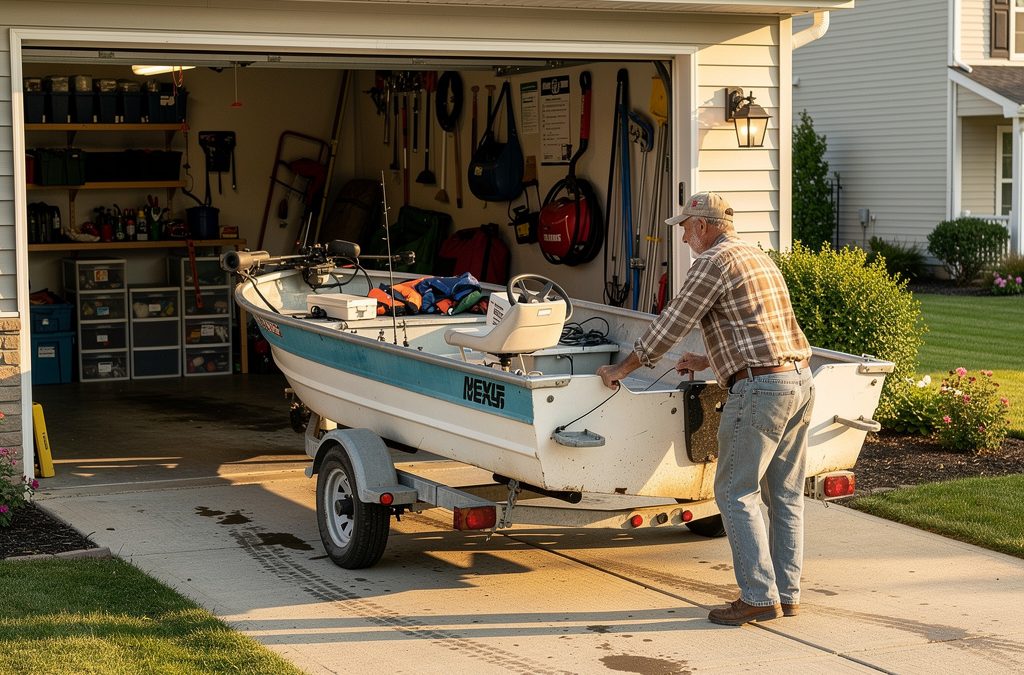
When it comes to protecting your valuable assets, understanding the difference between boat insurance and homeowners insurance—especially when it comes to watercraft—is essential. While both policies can provide some level of protection for your boat, they do so in very different ways. This guide will clarify the distinctions, explain when each is appropriate, and help you make an informed decision about your coverage.
Table of Contents
-
- Overview: Boat Insurance vs. Homeowners Insurance
- Coverage Comparison Table
- How Homeowners Insurance Covers Boats
- What Boat Insurance Covers
- Cost Comparison: Boat Insurance vs. Homeowners Insurance
- Practical Examples and Case Studies
- When to Choose Boat Insurance vs. Homeowners Insurance
- Actionable Takeaways
- FAQs
Overview: Boat Insurance vs. Homeowners Insurance
Boat insurance is a specialized policy designed specifically to cover risks associated with owning and operating a watercraft. Homeowners insurance, on the other hand, is intended to protect your home and personal property but may offer limited coverage for small boats through an endorsement or rider.
For many boat owners, the distinction between these two types of insurance is not immediately clear. However, choosing the wrong policy—or relying solely on homeowners insurance—could leave you dangerously underinsured in case of an accident or loss.
Coverage Comparison Table
| Feature | Boat Insurance | Homeowners Insurance (with Watercraft Rider) |
|---|---|---|
| Types of Boats Covered | Wide range (motorboats, sailboats, jet skis, fishing boats, yachts) | Usually only small boats (canoes, rowboats, some small outboards) |
| Agreed Value/Actual Cash Value | Both options available | Usually actual cash value only |
| Liability Coverage | Extensive (injuries, property damage, legal costs) | Very limited; often capped at $1,000–$5,000 |
| Physical Damage Coverage | Comprehensive (theft, vandalism, collision, weather) | Limited (often only at home or on property) |
| Personal Property/Equipment | Yes, including gear, electronics, fishing equipment | Very limited, may not cover equipment |
| Towing and Emergency Assistance | Often included | Rarely included |
| Salvage and Wreck Removal | Usually included | Not included |
| Coverage Area | Wide (lakes, rivers, coastal waters, even offshore) | Limited (usually only on insured property) |
| Premium Cost | Higher, but tailored to risk and boat value | Lower, but with minimal coverage |
| Customizations | Extensive (agreed value, medical payments, uninsured boater, etc.) | Very limited |
How Homeowners Insurance Covers Boats
Homeowners insurance is designed to protect your home and personal property, but it may offer some coverage for small boats under certain conditions. This is usually done via a watercraft endorsement (rider). Here’s what you need to know:
- Type of Boats: Coverage is typically limited to small, low-horsepower boats, such as canoes, kayaks, rowboats, and some small outboard-powered boats (e.g., less than 25 hp).
- Coverage Limits: The coverage amount is usually low—often $1,000 to $2,000 for physical damage and $100,000 or less for liability.
- Where Coverage Applies: Most policies only cover your boat while it’s on your property, not while it’s in the water or being transported.
- Exclusions: Larger boats, high-value watercraft, and personal watercraft (PWCs) are typically excluded.
Example: If your kayak is stolen from your garage, your homeowners policy may cover the loss up to the policy limit. If you damage another boat while on the water, liability coverage may be minimal or nonexistent.
What Boat Insurance Covers
Boat insurance is designed to protect you and your watercraft both on and off the water. Here’s what a typical boat insurance policy might include:
- Physical Damage: Covers damage to your boat from accidents, storms, fire, theft, and vandalism.
- Liability: Protects you if you’re responsible for injuries or property damage to others while operating your boat.
- Medical Payments: Covers medical expenses for you and your passengers after an accident.
- Uninsured/Underinsured Boater: Protects you if you’re hit by another boater without adequate insurance.
- Personal Property: Covers personal items, fishing gear, and specialized equipment on your boat.
- Towing and Assistance: Pays for towing your boat if it breaks down on the water.
- Wreck Removal: Covers the cost of removing your boat if it sinks or is wrecked.
Example: If your motorboat is damaged in a collision, or you accidentally injure a swimmer, boat insurance can cover repairs, medical bills, and legal fees—often up to hundreds of thousands or millions of dollars.
Cost Comparison: Boat Insurance vs. Homeowners Insurance
The cost of coverage can vary widely depending on your boat, location, and how you use it:
- Homeowners Rider: Adding a boat rider to your homeowners policy is generally inexpensive (often $20–$50/year), but provides minimal coverage.
- Boat Insurance: Policies typically range from $200 to $500/year for small boats, and can go much higher for larger vessels, yachts, or high-performance boats.
While homeowners insurance may seem cheaper, it’s important to consider the potential gaps in coverage and high out-of-pocket costs if an incident occurs.
Practical Examples and Case Studies
Case Study 1: Relying on Homeowners Insurance
Scenario: Jane owns a 10-foot kayak and keeps it in her garage. One night, it’s stolen. Her homeowners insurance covers personal property, including the kayak, up to $2,000.
Outcome: Jane files a claim and receives reimbursement, minus her deductible. However, if the kayak had been stolen from her car or a public dock, coverage may not apply.
Case Study 2: The Need for Boat Insurance
Scenario: Mark owns a 22-foot fishing boat with a 150-horsepower engine. While cruising, he accidentally collides with another boat, injuring a passenger and causing significant damage.
Outcome: Mark’s homeowners insurance would not cover this incident due to the size and horsepower of the boat. His specialized boat insurance, however, covers liability, repairs, and medical expenses, saving him thousands of dollars.
Case Study 3: Watercraft Rider Limitations
Scenario: Sara adds a watercraft endorsement to her homeowners policy for her small sailboat. A severe storm damages the boat while docked at a marina away from home.
Outcome: The endorsement only covers the boat while on Sara’s property. She is responsible for all repair costs. Boat insurance would have covered the loss, regardless of location.
When to Choose Boat Insurance vs. Homeowners Insurance
Deciding between boat insurance and relying on a homeowners policy depends on several factors:
- Type and Size of Boat: Larger, motorized, or high-value boats require specialized insurance. Small, human-powered boats may be adequately covered by homeowners insurance.
- Usage: If you use your boat frequently, take it off your property, or operate in public waters, boat insurance is essential.
- Value and Liability Risks: The higher your boat’s value or your exposure to liability, the more you need comprehensive boat insurance.
- Legal Requirements: Some marinas, lenders, and states require proof of boat insurance for certain types of vessels.
If you’re unsure, speak with an insurance agent who understands both policies to ensure you have the right protection for your needs.
Actionable Takeaways
- Review your homeowners policy to understand current watercraft limits and exclusions.
- Inventory your boat(s) and note size, horsepower, and value to determine if they qualify for homeowners coverage or need specialized insurance.
- Get quotes for both homeowners riders and standalone boat insurance to compare costs and coverage.
- Ask your insurer about additional options, like personal property, towing, and uninsured boater coverage.
- Consider your liability risk—boat insurance offers much higher protection in case of accidents or injuries.
Frequently Asked Questions
Does homeowners insurance cover my boat?
Homeowners insurance may cover very small boats (like canoes, kayaks, and low-horsepower boats) up to a low limit, and often only while on your property. Larger boats, personal watercraft, and high-value vessels usually require separate boat insurance.
Do I need boat insurance if I only use my boat on a private lake?
While you may not be legally required to have boat insurance, it’s still highly recommended. Accidents, theft, or weather damage can happen anywhere, and homeowners insurance likely won’t provide adequate protection.
What’s the difference between a watercraft rider and boat insurance?
A watercraft rider is a limited endorsement on your homeowners policy, while boat insurance is a dedicated policy that covers a broader range of risks, higher values, and larger boats.
