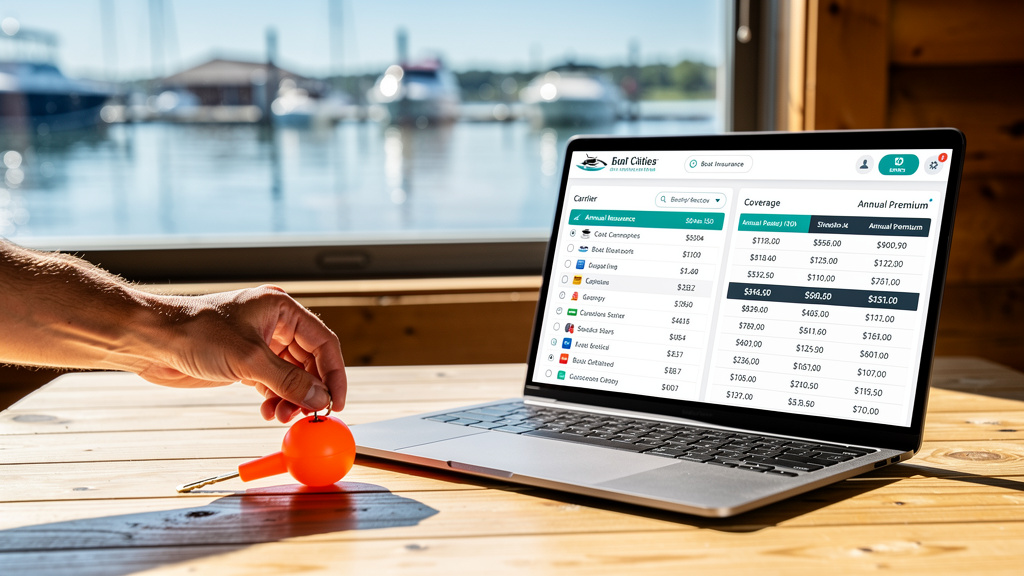
Boat insurance is essential for protecting your investment and ensuring peace of mind on the water. However, understanding boat insurance cost can feel overwhelming due to the many variables at play. This comprehensive guide breaks down the main factors that influence your boat insurance premiums, provides sample quotes, and shares actionable tips to help you find the right coverage at the best price.
Why Boat Insurance Is Important
Boat insurance protects you against financial loss stemming from accidents, theft, vandalism, or natural disasters. While some states and marinas may require basic liability coverage, comprehensive policies offer broader protection, covering everything from medical payments to on-water towing.
What Is the Average Boat Insurance Cost?
The national average cost of boat insurance in the United States typically ranges from $200 to $600 per year for small boats, with premiums increasing for larger or higher-value vessels. However, your actual rate can be significantly higher or lower depending on several key factors.
Example: A 20-foot fishing boat in inland Florida might cost around $300/year to insure, while a 35-foot yacht in coastal California could see annual premiums exceeding $2,000.
Key Factors That Affect Boat Insurance Premiums
Insurers assess multiple variables when calculating your premium. Understanding these factors can help you make informed decisions and potentially lower your rates.
1. Boat Type, Size, and Value
- Type: Powerboats, sailboats, pontoons, fishing boats, and yachts are rated differently. Performance boats and personal watercraft (PWCs) often carry higher premiums due to increased risk.
- Size & Horsepower: Larger boats and those with powerful engines are more expensive to insure.
- Age & Condition: Newer boats may qualify for discounts; older boats might cost more, especially if they’re expensive to repair or lack safety features.
- Agreed Value vs. Actual Cash Value: Policies that pay the agreed value (replacement cost) are pricier than those based on the boat’s depreciated value.
2. Location and Navigational Area
- Geography: Coastal areas with hurricane risk (e.g., Florida, Texas) tend to have higher premiums than inland lakes or rivers.
- Storage: Boats stored in secure marinas, dry stacks, or garages may qualify for reduced rates compared to those kept at private docks or moorings.
- Navigation Limits: Policies covering international waters or extended cruising areas are more expensive than those limited to local waters.
3. Usage: Recreational vs. Commercial
- Personal Use: Occasional recreational use (weekends, holidays) is less risky than daily or year-round use.
- Commercial Use: Charter boats, fishing guides, and other commercial operations pay higher premiums due to increased exposure.
- Special Activities: Participation in racing, water sports, or long-distance trips can increase costs.
4. Boating Experience and Claims History
- Experience: Insurers reward boaters with a clean driving record and years of experience with lower rates.
- Claims History: Prior insurance claims, accidents, or violations can raise your premiums.
- Safety Courses: Completing certified boating safety courses often qualifies you for discounts.
5. Coverage Options and Deductibles
- Liability Limits: Higher liability coverage costs more but provides better protection.
- Comprehensive and Collision: Adding these coverages increases cost but covers a wider range of risks.
- Deductibles: Opting for a higher deductible lowers your premium but increases your out-of-pocket expense in case of a claim.
- Add-ons: Towing, roadside assistance, personal effects, and fishing equipment are typically extra.
Sample Boat Insurance Premiums by Type
| Boat Type | Average Annual Premium | Coverage Example |
|---|---|---|
| Bass Boat (18 ft, $25K value) | $300 – $500 | Liability + Comprehensive |
| Pontoon Boat (22 ft, $35K value) | $350 – $600 | Liability + Collision |
| Yacht (40 ft, $500K value) | $2,500 – $5,000 | All-Risk + International Waters |
| Personal Watercraft (Jet Ski) | $150 – $400 | Liability Only |
| Sailboat (30 ft, $75K value) | $400 – $800 | Liability + Comprehensive |
Note: These are illustrative averages. Your actual premium will vary based on your unique situation.
Real-World Case Studies
Case Study 1: Weekend Angler
Sarah owns a 19-foot bass boat valued at $20,000, stored in a locked garage in Tennessee. She only uses it for local fishing trips. By maintaining a clean driving record and completing a boating safety course, Sarah secured a policy for $280/year, including liability and partial coverage for her fishing gear.
Case Study 2: Coastal Cruiser
Mike operates a 34-foot sailboat along the Gulf Coast, moored at a marina in Florida. Due to the hurricane risk and higher value, his annual premium is $1,100 for all-risk coverage, including protection for named storms and personal effects.
Case Study 3: Jet Ski Enthusiast
Emily owns two Jet Skis, used exclusively on inland lakes in Michigan. She bundles both under a single policy and qualifies for multi-boat and safety course discounts, paying $350/year for comprehensive coverage on both.
Boat Insurance Discounts: How to Save
Many insurers offer a variety of boat insurance discounts that can lower your premium:
- Bundling: Combine your boat insurance with auto or home policies for a multi-policy discount.
- Boat Safety Courses: Complete an approved course to qualify for premium reductions.
- Claim-Free: Maintaining a clean claims history can earn loyalty or claims-free discounts.
- Lay-Up Periods: If you store your boat seasonally, a lay-up policy provides coverage only when the boat is in use.
- Anti-Theft Devices: Install alarms, GPS tracking, or engine immobilizers to reduce theft risk and lower rates.
- Pay-in-Full: Pay your annual premium upfront to avoid installment fees and receive a discount.
Expert Commentary: What Insurance Agents Want You to Know
“Boat insurance isn’t one-size-fits-all. Always review your policy limits, consider your boat’s usage and storage, and ask about every possible discount. It’s better to slightly over-insure than risk being under-protected.”
— Linda Carter, Certified Marine Insurance Specialist
Actionable Takeaways
- Shop around and compare multiple quotes to find the best boat insurance cost for your needs.
- Take a certified boating safety course to unlock insurance discounts.
- Consider increasing your deductible to lower your premium but ensure it’s an amount you can afford.
- Review your policy annually and update your insurer if your usage or storage situation changes.
- Bundle boat insurance with other policies to maximize savings.
Frequently Asked Questions
- Is boat insurance required by law?
- Requirements vary by state and marina. While not always required, it’s highly recommended for financial protection.
- What does boat insurance typically cover?
- Liability, physical damage, medical payments, theft, vandalism, and add-ons like towing or personal effects.
- Can I get discounts for low usage or off-season storage?
- Yes, many insurers offer lay-up or seasonal policies that reduce premiums when your boat isn’t in use.
Conclusion: Navigating Boat Insurance Costs
Boat insurance premiums are determined by a range of factors—from boat type and value to location, usage, and your own experience. Understanding these variables helps you secure the right protection at a fair price. Take advantage of discounts, review your policy regularly, and work with a knowledgeable agent to ensure smooth sailing—no matter where your adventures take you.