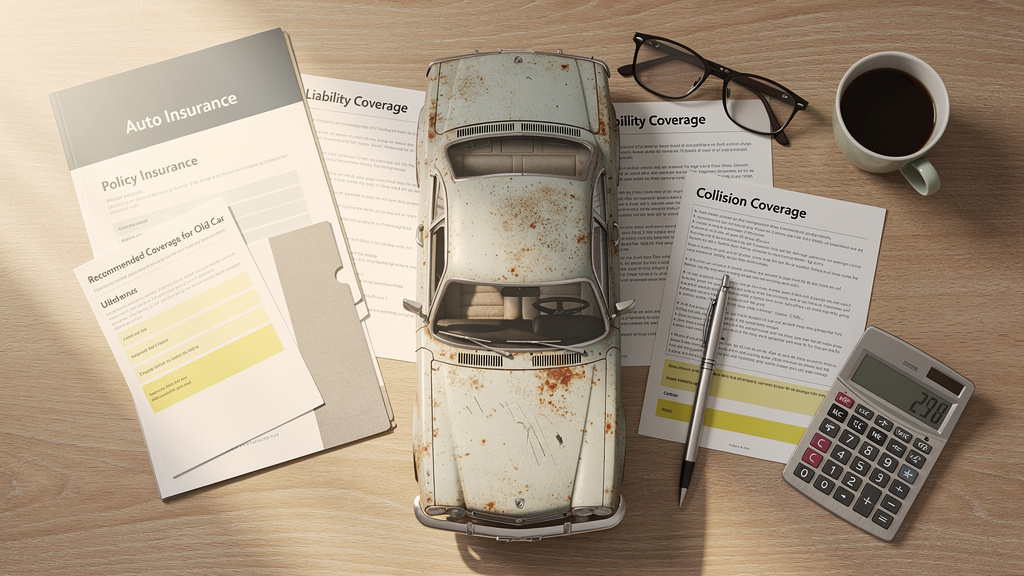
Recommended Insurance Coverage For Old Car Owners
⚡ TL;DR: This guide explains Recommended Insurance Coverage For Old Car owners.
📋 What You’ll Learn
In this comprehensive guide about Recommended Insurance Coverage For Old Car, I’ve compiled everything you need to know based on my experience. Here’s what I’ll cover:
- Understand unique insurance needs – I’ve learned that old cars require specialized coverage for their unique value and usage.
- Master specialized coverage options – Discover policies that include features like agreed value coverage and roadside assistance tailored for classic cars.
- Determine your car’s value accurately – I’ll explain the importance of professional appraisals to ensure proper insurance coverage.
- Find the right insurance provider – Learn how to research and compare quotes from insurers who specialize in classic vehicles.
I’ve been researching the best Recommended Insurance Coverage For Old Car options lately, and I want to share what I’ve learned. As an old car owner myself, I understand the unique insurance needs that come with these classic vehicles. It’s crucial to get the right coverage to protect your investment and enjoy your ride without worries.
In my experience with Recommended Insurance Coverage For Old Car, I’ve discovered that traditional auto insurance policies often don’t cut it for vintage models. They require specialized coverage to address their unique value and usage. Let’s dive into the details of how to navigate this important aspect of car ownership.
Understanding Old Car Insurance Needs
When it comes to old cars, the insurance landscape can be a bit confusing. I’ve found that understanding what makes these vehicles different is key to finding suitable coverage. Typically, old cars are not only valued for their age but also for their condition and rarity.
Old car insurance needs to reflect the potential appreciation of these vehicles. I recommend looking for policies that offer agreed value coverage, which pays out a predetermined amount in case of a total loss. This is essential for classic cars, as their worth can appreciate over time.
Why Standard Policies May Not Be Enough
Standard auto insurance policies often base their coverage on the car’s current market value, which can be significantly less than what collectors or enthusiasts would pay. I’ve seen firsthand how this can lead to disappointing payouts if an accident occurs.
For instance, if your classic car is worth $25,000 but your policy only covers its depreciated value of $10,000, you’re at a loss. It’s vital to ensure you have a policy that understands the true worth of your vehicle.
Specialized Coverage Options
I’ve learned that specialized policies for old cars often include features like flexible mileage limits, which can be perfect for those who only drive their classic once in a while. Additionally, many of these policies cater to the specific needs of classic car enthusiasts, ensuring that your ride is protected comprehensively.
Many providers offer classic car insurance that includes roadside assistance, which I consider a must-have feature. You never know when you might need a helping hand, especially with older cars that might be more prone to issues.
Types of Coverage for Classic Cars
When thinking about Recommended Insurance Coverage For Old Car, it’s important to consider all the types of coverage available. Not all insurance is created equal, and knowing your options can make all the difference.
I’ve found that the main types of coverage include liability, collision, and comprehensive insurance. Each of these plays a crucial role in protecting your investment.
Liability Coverage
Liability coverage is essential for any vehicle, including old cars. This type of insurance covers damages you may cause to others in an accident. I’ve learned that in many states, it’s a legal requirement, so it’s not something to overlook.
Choosing the right limits for liability coverage is crucial. I recommend opting for higher limits to ensure you’re fully protected, especially when driving a vehicle that may attract attention.
Collision and Comprehensive Coverage
Collision coverage pays for damage to your car after an accident, regardless of who is at fault. For my classic car, I believe it’s worth it. On the other hand, comprehensive coverage protects against non-collision incidents, such as theft or natural disasters.
I’ve noticed that many classic car owners, including myself, benefit from having both collision and comprehensive coverage, providing peace of mind that our beloved vehicles are safeguarded from multiple risks.
Determining the Value of Your Old Car
Establishing the correct value of your classic car is vital when seeking Recommended Insurance Coverage For Old Car. I’ve learned that having a professional appraisal can greatly enhance your policy’s effectiveness.
A well-documented value not only ensures proper coverage but also aids in negotiations with insurance companies.
The Importance of Appraisals
Getting a professional appraisal helps in determining your car’s market value accurately. I’ve seen appraisals range from a few hundred to a thousand dollars, but in the grand scheme, it’s a worthy investment.
Many insurance companies will require an appraisal for agreed value coverage, so it’s a step I recommend taking seriously. This documentation can save you a lot of hassle if something unfortunate happens to your car.
Documenting Modifications and Repairs
If you’ve made modifications or restorations to your old car, documenting these changes is crucial. I recommend keeping receipts for any work done and taking detailed photos. This evidence can help substantiate your car’s value during the insurance claim process.
Having this documentation ready can streamline any discussions with your insurance provider, ensuring you’re compensated fairly if a claim arises.
Finding the Right Insurance Provider
Choosing the right insurance provider is as important as selecting the right coverage. I’ve discovered that not all insurers have the same understanding or respect for classic cars.
Look for insurers who specialize in classic or vintage vehicles. They tend to be more knowledgeable about the unique requirements and potential value appreciation of such cars.
Researching Insurers
I often recommend checking reviews and ratings of potential insurance providers. Websites like Consumer Reports or J.D. Power can offer insights into customer satisfaction and claims experiences.
Additionally, asking fellow classic car enthusiasts for recommendations can lead you to reliable options that you might not find through traditional searches.
Comparing Quotes
Once you’ve identified a few potential providers, comparing quotes is essential. I’ve learned that it can save you a substantial amount of money. When requesting quotes, ensure you provide the same information to each insurer for accurate comparisons.
Also, don’t hesitate to negotiate. Many insurers are willing to adjust their offers, especially if they know they’re in competition for your business.
References and Resources
– National Association of Insurance Commissioners (NAIC)
– Classic Car Club of America
– Collector Car Insurance Providers
Common Questions About Recommended Insurance Coverage For Old Car
What type of insurance is best for an old car?
In my experience, specialized classic car insurance is best. It offers coverage tailored for the unique needs of vintage vehicles, unlike standard auto policies.
How do I find the value of my classic car?
I’ve found that getting a professional appraisal is the most accurate method. This can help you secure the right insurance coverage and aid in any future claims.
Is agreed value coverage necessary?
Absolutely! In my experience, agreed value coverage ensures that you receive a predetermined amount in case of a total loss, which is vital for classic cars.
Can I use my old car for daily driving?
I’ve learned that while some classic car policies allow for limited usage, others impose restrictions. It’s essential to check your coverage terms before driving frequently.
Do I need additional coverage for modifications?
Yes, I recommend discussing modifications with your insurer. Documenting and ensuring these are included in your policy can protect your investment better.

Frequently Asked Questions
What are the key factors in determining the right coverage for my classic car?
In my experience, key factors include the car’s value, how often you drive it, and whether it’s modified. Tailoring your coverage to these specifics is crucial for adequate protection.
How can I ensure I’m getting the best rate on my classic car insurance?
I recommend comparing quotes from multiple insurers and considering any discounts for classic car associations or safe driving records to get the best rates.
Why is it important to have specialized insurance for my classic car?
I’ve found that specialized insurance understands classic cars’ unique value and risks, offering coverage options that standard policies may not provide.
What should I do if my classic car is damaged?
I recommend documenting the damage thoroughly and contacting your insurer promptly. Having an appraisal can expedite the claims process significantly.
Conclusion
In conclusion, my research on Recommended Insurance Coverage For Old Car has shown me the importance of choosing the right insurance tailored specifically to classic vehicles. I hope this guide helps you navigate your options and find coverage that protects your investment and brings you peace of mind. Remember, the right policy can make all the difference in enjoying your classic car without the stress of inadequate insurance.

Find out more information about “Recommended Insurance Coverage For Old Car”
Search for more resources and information: