📋 What You’ll Learn
In this comprehensive guide about Collision Vehicle Insurance, I’ve compiled everything you need to know based on my research. Here’s what I’ll cover:
- Understand Collision Vehicle Insurance – I’ve learned that this insurance specifically covers damages to your vehicle from collisions, regardless of fault.
- Discover the Benefits – I’ve found that having Collision Vehicle Insurance provides peace of mind and financial protection against costly repairs.
- Master Choosing the Right Coverage – I’ve realized that assessing your vehicle’s value and comparing quotes can help in selecting the best coverage for your needs.
- Debunk Common Misconceptions – I’ve encountered many myths about Collision Vehicle Insurance, like it being mandatory, which I’ve clarified in this guide.
I’ve been researching Collision Vehicle Insurance for quite some time now, and I want to share what I’ve learned. Collision Vehicle Insurance is essential for anyone who wants to protect their investment in their vehicle. It’s not just a safety net; it offers peace of mind when you’re on the road.
In my experience with Collision Vehicle Insurance, understanding the nuances can save you money and ensure you’re adequately covered. Whether it’s a minor fender bender or a major accident, having the right policy can make all the difference. Let’s dive into the key aspects of Collision Vehicle Insurance that every car owner should know.
Understanding Collision Vehicle Insurance
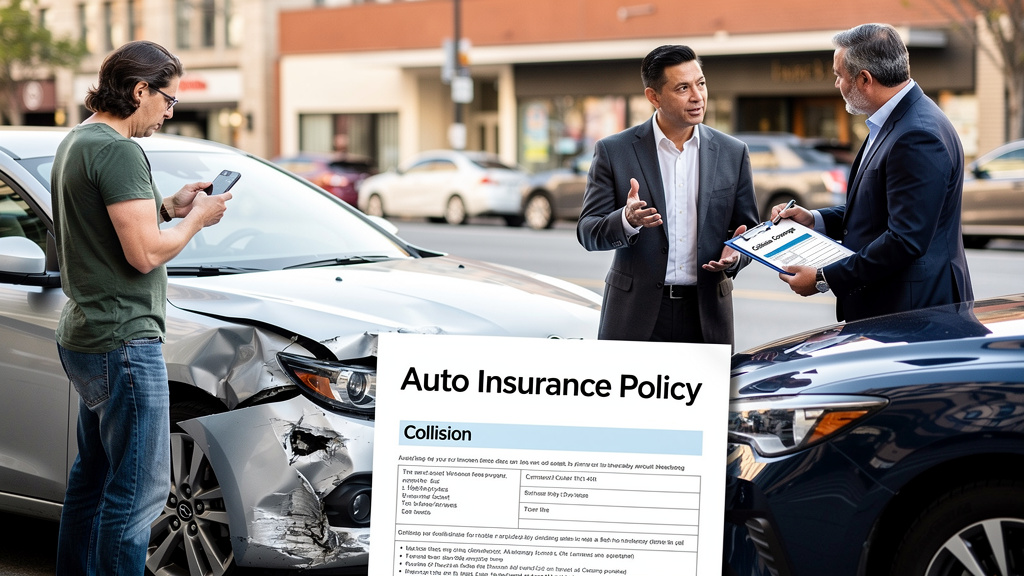
Collision Vehicle Insurance is specifically designed to cover damages to your vehicle resulting from a collision, regardless of who is at fault. This type of insurance is crucial for those who want to avoid hefty repair bills after an accident.
When I first started looking into Collision Vehicle Insurance, I found it helpful to differentiate it from other types of coverage. For instance, while liability insurance covers damages to other vehicles and property, Collision Vehicle Insurance focuses solely on your own vehicle. This distinction is vital for making informed decisions about your coverage.
What Does Collision Vehicle Insurance Cover?
I’ve discovered that Collision Vehicle Insurance typically covers repairs to your vehicle after an accident, whether it’s a collision with another car or a stationary object. This means that if you accidentally hit a tree or another vehicle, your insurer will help cover the costs.
Additionally, I learned that many policies also provide coverage for the cost of a rental car while your vehicle is being repaired. This added benefit can be a lifesaver, ensuring you’re not left without transportation during the repair process.
Do I Need Collision Vehicle Insurance?
In my experience, whether you need Collision Vehicle Insurance depends on several factors, including the value of your vehicle and your financial situation. If you have a newer car or one that’s worth a significant amount, having this coverage can provide essential protection.
However, if you own an older vehicle that isn’t worth much, you might consider forgoing this insurance to save on premiums. I recommend evaluating your vehicle’s value and your personal budget before making a decision.
Benefits of Collision Vehicle Insurance
Collision Vehicle Insurance offers several key benefits that can enhance your driving experience and financial security. Understanding these benefits can help you appreciate the value of this coverage.
One of the primary advantages of Collision Vehicle Insurance is the peace of mind it provides. Knowing that you’re financially protected in the event of an accident has made my driving experience less stressful. I can focus on the road rather than worrying about potential costs.
Financial Protection
I’ve found that Collision Vehicle Insurance is crucial for protecting your finances. Accidents can lead to costly repairs, and without this coverage, you might find yourself facing significant out-of-pocket expenses.
For instance, if your vehicle needs extensive repairs after a collision, the costs can easily run into thousands of dollars. Collision Vehicle Insurance mitigates this risk, ensuring you’re not left to shoulder the financial burden alone.
Quick Repairs
Another benefit I appreciate is the speed at which repairs can be initiated. With Collision Vehicle Insurance, I’ve noticed that insurers often have partnerships with repair shops, which can expedite the process.
Having a streamlined repair process means less downtime for my vehicle and a quicker return to the road. This efficiency has been invaluable in my experience.
How to Choose the Right Coverage
Selecting the right Collision Vehicle Insurance coverage can be a daunting task, especially with so many options available. However, I’ve learned a few tips that can simplify this process.
First, assess your needs by considering your vehicle’s value and how much you’re willing to spend on repairs. In my experience, this evaluation is crucial in determining the coverage amount you’ll require.
Evaluate Your Vehicle’s Value
I’ve found that understanding your vehicle’s current market value can significantly impact your decision. If your car is worth a lot, it makes sense to invest in comprehensive coverage, including Collision Vehicle Insurance.
On the flip side, if your vehicle’s value has depreciated, I recommend considering a lower coverage limit or focusing on liability insurance instead. This personalized approach can save you money in the long run.
Compare Quotes
One of the best strategies I’ve employed is to compare quotes from multiple insurance providers. This practice not only gives me insight into the market rates for Collision Vehicle Insurance but also helps me identify the best coverage options.
I suggest creating a spreadsheet to track different policies, coverage limits, and premiums. This visual aid can make it easier to weigh your options and make an informed decision.
Common Misconceptions
When it comes to Collision Vehicle Insurance, there are several misconceptions that can lead to confusion. I think it’s essential to debunk these myths to help others make informed choices.
One common misconception is that Collision Vehicle Insurance is the same as comprehensive insurance. In my experience, this is not the case. While both are important, comprehensive insurance covers non-collision-related incidents, such as theft or natural disasters, whereas Collision Vehicle Insurance focuses solely on collision-related damages.
Does Collision Vehicle Insurance Cover Everything?
I’ve often encountered the belief that Collision Vehicle Insurance covers all types of damages. However, it’s essential to know that this policy only covers damages resulting from collisions.
For example, if your car suffers damage from hail or vandalism, Collision Vehicle Insurance won’t help. In such cases, comprehensive insurance would be necessary to cover those incidents. Understanding this distinction has been vital in my insurance journey.
Is It Required by Law?
Another myth I’ve heard is that Collision Vehicle Insurance is mandatory. Although liability insurance is a legal requirement in many states, Collision Vehicle Insurance is typically optional.
In my opinion, while it may not be legally required, having this coverage is a wise choice for protecting your investment in your vehicle. It’s worth considering the potential financial risks of driving without it.
Common Questions About Collision Vehicle Insurance
What is Collision Vehicle Insurance?
In my experience, Collision Vehicle Insurance covers damages to your vehicle after an accident, regardless of who is at fault. It’s a crucial part of auto insurance that protects your investment in your car.
Do I really need Collision Vehicle Insurance?
I’ve found that whether you need Collision Vehicle Insurance depends on the value of your vehicle and your financial situation. If your car is worth a lot, it’s wise to have this coverage.
How can I lower my Collision Vehicle Insurance premium?
In my experience, you can lower your Collision Vehicle Insurance premium by increasing your deductible, maintaining a clean driving record, or bundling policies with the same insurance provider.
What factors affect Collision Vehicle Insurance rates?
I’ve found that several factors can influence your Collision Vehicle Insurance rates, including the type of vehicle you drive, your driving history, and your location.
Does Collision Vehicle Insurance cover rental cars?
In my experience, many Collision Vehicle Insurance policies provide coverage for rental cars. However, it’s important to check your specific policy for details.

Frequently Asked Questions
What is Collision Vehicle Insurance?
In my experience, Collision Vehicle Insurance covers damages to your vehicle after an accident, regardless of who is at fault. It’s a crucial part of auto insurance that protects your investment in your car.
Do I really need Collision Vehicle Insurance?
I’ve found that whether you need Collision Vehicle Insurance depends on the value of your vehicle and your financial situation. If your car is worth a lot, it’s wise to have this coverage.
How can I lower my Collision Vehicle Insurance premium?
In my experience, you can lower your Collision Vehicle Insurance premium by increasing your deductible, maintaining a clean driving record, or bundling policies with the same insurance provider.
What factors affect Collision Vehicle Insurance rates?
I’ve found that several factors can influence your Collision Vehicle Insurance rates, including the type of vehicle you drive, your driving history, and your location.
Does Collision Vehicle Insurance cover rental cars?
In my experience, many Collision Vehicle Insurance policies provide coverage for rental cars. However, it’s important to check your specific policy for details.

Conclusion
In conclusion, my research on Collision Vehicle Insurance has shown me just how vital it is for protecting both my vehicle and my finances. Understanding the ins and outs of this type of insurance can give you peace of mind when driving. I hope this guide helps you navigate the world of Collision Vehicle Insurance more confidently, ensuring you’re well-prepared for any surprises on the road.
Find out more information about “Collision Vehicle Insurance”
Search for more resources and information: