
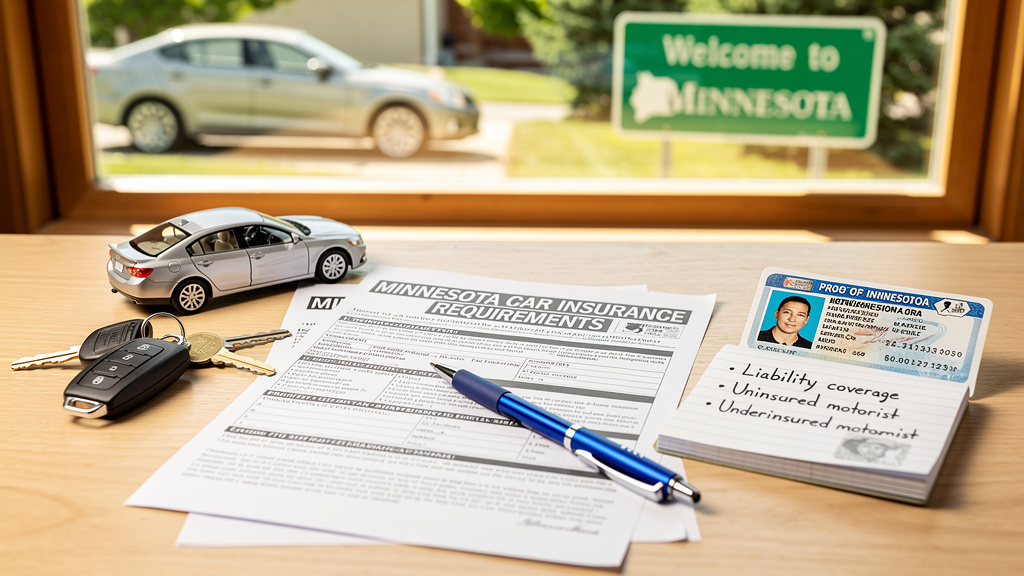
⚡ TL;DR: This guide explains car insurance requirements in MN.
📋 What You’ll Learn
In this comprehensive guide about car insurance requirements in MN, I’ve compiled everything you need to know based on my research. Here’s what I’ll cover:
- Understand the no-fault system – I’ve learned how Minnesota’s no-fault insurance impacts coverage after an accident.
- Review PIP and liability coverage – I’ve discovered the importance of Personal Injury Protection and the required liability limits.
- Explore additional coverage options – I recommend considering uninsured/underinsured motorist coverage for added protection.
- Compare insurance quotes effectively – I’ve found that comparing multiple quotes is essential for securing the best rates.
I’ve been researching the car insurance requirements in MN, and I want to share what I’ve learned. Understanding these requirements is crucial for every driver in the state. In my experience, knowing the ins and outs of these regulations can save you from hefty fines and ensure you’re adequately covered.
The car insurance requirements in MN can be a bit overwhelming at first glance. However, with a little guidance, it becomes clear what every driver needs to know. I’ve found that being proactive about these requirements can lead to better coverage and lower costs in the long run.
Understanding Car Insurance Requirements in MN
To start, it’s essential to grasp the basics of car insurance requirements in MN. Minnesota operates under a “no-fault” insurance system. This means that, regardless of who is at fault in an accident, your own insurance will cover your injuries and damages up to a certain limit.
One key component of this system is Personal Injury Protection (PIP). PIP is mandatory and covers medical expenses, lost wages, and other related costs. In my experience, many drivers underestimate the importance of this coverage, but it can be a lifesaver in an accident.
Additionally, Minnesota law requires drivers to have liability coverage. This protects you if you cause an accident that injures someone or damages their property. The minimum liability limits are $30,000 for bodily injury per person, $60,000 per accident, and $10,000 for property damage. Knowing these limits is vital, as they can impact your finances significantly in the event of a claim.
What to Know About PIP Coverage
From my research, I’ve found that Personal Injury Protection (PIP) is a non-negotiable part of the car insurance requirements in MN. PIP covers medical expenses and other costs related to injuries sustained in an accident. It also applies to passengers and, in some cases, pedestrians.
I recommend reviewing your PIP limits carefully. While the minimum is $40,000 in coverage, you can opt for higher limits based on your needs. This coverage can make a significant difference in your financial well-being if you’re involved in an accident.
Liability Coverage Explained
Liability coverage is another critical element of car insurance requirements in MN. It protects you financially if you are found to be at fault in an accident. In my experience, many drivers think the state minimums are sufficient, but I often advise increasing your limits for better protection.
For example, imagine a scenario where you cause a serious accident leading to significant injuries. If your liability coverage is only at the state minimum, you could be personally liable for any costs exceeding that limit. It’s a risk I wouldn’t want to take!
Types of Coverage Required in MN
When it comes to the types of coverage required, I’ve learned that understanding the different options available can be beneficial. Beyond the basic liability and PIP coverage, there are other types of insurance that can be valuable.
In Minnesota, drivers may also consider uninsured/underinsured motorist coverage. This coverage is not mandatory, but I highly recommend it. It protects you if you’re in an accident with a driver who either has no insurance or insufficient coverage.
Additionally, while comprehensive and collision coverage are not required, they offer essential protections. I’ve seen firsthand how accidents can damage vehicles, and having these coverages can save you from costly repairs.
Uninsured/Underinsured Motorist Coverage
Uninsured/underinsured motorist coverage is a safety net. In my experience, many drivers overlook this essential coverage. It becomes invaluable if you’re involved in an accident with someone who lacks adequate insurance.
This coverage can help cover your medical expenses and damages when the at-fault driver cannot. I often tell friends that having this coverage is like having an extra layer of protection on the road.
Comprehensive and Collision Coverage
Comprehensive and collision coverage, while not mandatory under car insurance requirements in MN, can be crucial for protecting your vehicle. Comprehensive coverage protects against non-collision events, such as theft and natural disasters, while collision covers damage from accidents.
I’ve personally experienced an accident where collision coverage saved me from a hefty repair bill. It’s worth considering how much you value your vehicle when deciding on these types of coverage.
How to Choose the Right Insurance
When selecting insurance, I believe it’s essential to compare quotes from multiple providers. I’ve learned that rates can vary significantly, even for the same coverage.
Additionally, evaluating your specific needs is crucial. For instance, if you frequently drive long distances or have a high-value vehicle, you may want to consider higher coverage limits. In my experience, discussing your lifestyle with an insurance agent can help tailor a policy suited to your individual circumstances.
Comparing Quotes Effectively
Comparing insurance quotes is one of the best ways to ensure you’re getting a fair price. I recommend using online tools to gather quotes quickly. I typically look for policies that offer similar coverage levels to make an accurate comparison.
One tip I have found useful is to check for discounts. Many insurers offer discounts for safe driving, bundling policies, or having certain safety features in your vehicle. These can significantly reduce your premium.
Working with an Insurance Agent
Working with an independent insurance agent can provide valuable insights. In my experience, agents often have access to multiple providers and can help you find the best deal. They can also explain the nuances of car insurance requirements in MN that you might overlook.
I’ve found that a good agent will listen to your needs and suggest coverage that fits your situation. So don’t hesitate to ask questions and seek their advice when navigating your options.
Common Questions About Car Insurance Requirements in MN
In my experience, there are several common questions that drivers often have regarding car insurance requirements in MN. Here are some of the most frequently asked.
What happens if I don’t have insurance in MN?
In my experience, driving without insurance in Minnesota can result in severe penalties, such as fines, license suspension, and even a requirement to file an SR-22, which can increase your premiums significantly.
Can I drive without PIP coverage in MN?
I’ve found that it’s illegal to drive without PIP coverage in Minnesota. This coverage is designed to protect you and your passengers in case of an accident, making it essential for all drivers.
Is it possible to lower my car insurance premiums?
In my experience, there are several ways to lower your premiums, such as maintaining a clean driving record, taking advantage of discounts, or increasing your deductible. It’s worth exploring these options!
What is the minimum coverage required in MN?
The minimum coverage required in Minnesota includes PIP and liability coverage of $30,000 for bodily injury per person, $60,000 per accident, and $10,000 for property damage. I’ve seen that many drivers opt for higher limits for better protection.
How often should I review my insurance policy?
I’ve found that reviewing your insurance policy annually is a good practice. Changes in your circumstances, such as moving or purchasing a new vehicle, can impact your coverage needs.

Frequently Asked Questions
What are the car insurance requirements in MN?
In my experience, the car insurance requirements in MN include mandatory PIP coverage and liability insurance. The minimum liability limits are $30,000 for bodily injury per person, $60,000 per accident, and $10,000 for property damage.
Do I need uninsured motorist coverage in MN?
I’ve learned that while uninsured motorist coverage is not mandatory, it’s highly recommended. This coverage can protect you financially if you’re in an accident with an underinsured driver.
How can I find the best car insurance rates in MN?
In my experience, the best way to find competitive rates is to compare quotes from multiple insurers and look for discounts. Working with an independent agent can also help you navigate your options.
Are there penalties for not having insurance in MN?
If you drive without insurance in Minnesota, you can face penalties such as fines, license suspension, and the requirement to file an SR-22, which can affect your insurance costs moving forward.
Conclusion
In conclusion, my research on car insurance requirements in MN has shown me the importance of understanding the basics. I hope this guide helps you navigate the complexities of insurance requirements, ensuring that you stay compliant and protected on the road. Based on my experience, being proactive about your coverage can make all the difference in the event of an accident.

Find out more information about “car insurance requirements in MN”
Search for more resources and information:
