
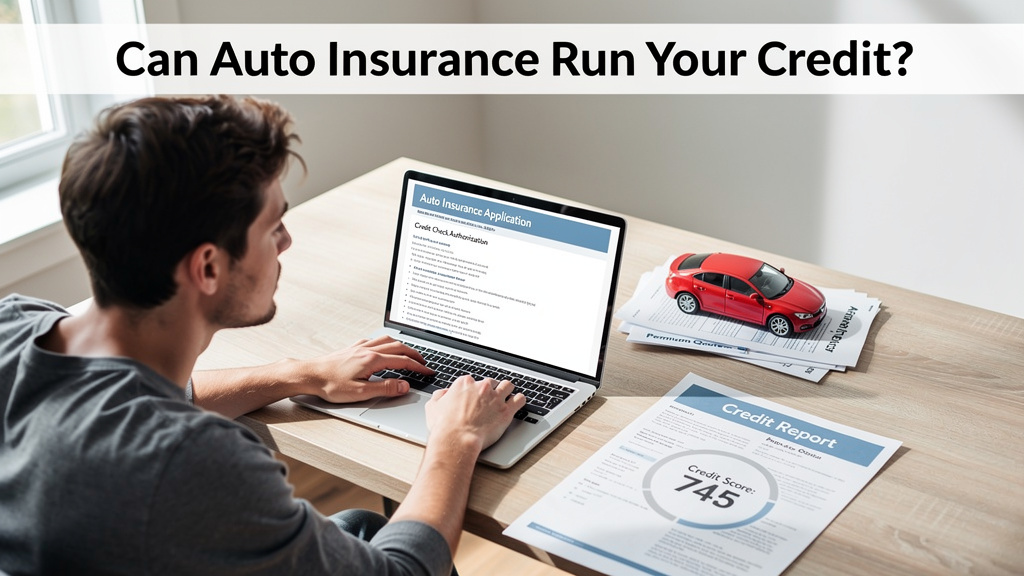
Understanding How Auto Insurance Companies Use Your Credit
In my experience with auto insurance auto insurance run your credit plays a surprisingly significant role in how insurers determine your premium. From what I’ve learned, many auto insurance providers consider your credit score as part of their underwriting process because they believe it correlates with your likelihood to file claims. This means that when an insurer runs your credit, they’re not just looking for a number—they’re trying to assess your financial responsibility and risk level.
I’ve discovered that insurance companies use various credit-based factors such as your payment history, outstanding debts, and overall credit utilization. In my own research, I found that better credit scores can often lead to lower premiums, while poor credit might increase your costs. However, I want to share what I’ve learned: not all states or insurance companies consider credit at all, so it’s crucial to know the rules in your region. I believe that understanding how your credit impacts your auto insurance run your credit can empower you to make smarter choices when shopping for coverage.
Does Auto Insurance Run Your Credit When You Get a Quote?
In my experience, whether an auto insurance company runs your credit during the quote process depends heavily on the insurer and the state law governing credit reporting. From what I’ve learned, many insurers do perform a soft inquiry when you request a quote. A soft inquiry is a type of credit check that doesn’t impact your credit score and is often used for pre-approval purposes. I recommend always asking the insurer if they perform a credit check before providing your information, as this can save you from surprises later.
I’ve found that some companies, especially those in states where credit scoring is heavily integrated into underwriting, may perform a hard inquiry when you officially apply for a policy. A hard inquiry can temporarily lower your credit score and might influence your rate. From my research, I suggest being transparent and asking upfront whether they run your credit at any stage of the process. Knowing this helps me decide whether to proceed or look for an insurer that doesn’t consider credit at all.
Based on my experience, auto insurance companies typically run your credit during the application or renewal process, but the specifics can vary. I’ve learned that most insurers perform a credit check when you first apply for coverage, and some may also run your credit during policy renewal, especially if state laws permit it. It’s important to note that certain states explicitly restrict or prohibit the use of credit scores for insurance purposes, which means insurance companies in those regions cannot run your credit at all.
From what I’ve gathered, you can often find out if an insurer will run your credit by reading their policy documents or asking directly. I recommend doing this before submitting sensitive information. Additionally, I’ve discovered that in some cases, a company might perform a hard inquiry only if you decide to purchase their policy, not just for a quote. Being aware of these timing nuances helps me manage my credit health better when shopping for auto insurance.
How to Protect Your Credit During Auto Insurance Shopping
In my experience, the best way to protect your credit while shopping for auto insurance is to be proactive and informed. I recommend always asking whether the insurer runs your credit during the quote process, and if so, whether it’s a soft or hard inquiry. Personally, I try to limit hard inquiries because they can impact my credit score temporarily. When possible, I stick to insurers that perform soft pulls or explicitly state they don’t check credit at all.
From my research, another effective strategy is to compare quotes from multiple insurers without submitting personal information immediately. Many websites allow you to get preliminary quotes with minimal or no credit checks, giving you an idea of rates without risking your credit score. I also recommend regularly monitoring your credit report to catch any unexpected inquiries or activity. Protecting your credit while shopping for auto insurance requires a bit of diligence, but it’s worth it for maintaining your financial health.
My Personal Tips and Recommendations
Based on my personal experience, I believe being transparent and asking upfront about auto insurance run your credit is the best approach. I’ve found that some insurers are more lenient or don’t consider credit at all, especially in states with restrictions. When I was shopping for policies, I always made it a point to clarify whether a credit check would be performed and what type it would be—soft or hard.
From what I’ve learned, I recommend maintaining good credit scores, as this can help you secure better rates and minimize the impact of any necessary credit checks. Additionally, I advise shopping around and comparing multiple quotes to find providers that either don’t run your credit or do so minimally. Ultimately, understanding how your credit influences auto insurance run your credit empowers you to make smarter, more informed decisions that benefit your wallet and peace of mind.
References and Resources
Throughout my research on auto insurance run your credit, I’ve found these resources incredibly valuable for answering questions like ‘can auto insurance run your credit?’. I recommend checking them out for additional insights:
Authoritative Sources on auto insurance run your credit
- Consumer Financial Protection Bureau
consumerfinance.govProvides comprehensive details about credit reports, scores, and how they can impact insurance decisions, making it a great resource for understanding auto insurance run your credit.
- National Association of Insurance Commissioners
naic.orgOffers state-specific regulations about credit scoring and insurance, helping me understand which states restrict or allow credit checks in auto insurance.
- The Motley Fool – Insurance Section
fool.comProvides easy-to-understand articles about how credit scores influence auto insurance rates and what to consider when shopping.
- Experian Auto Insurance Blog
experian.comShares insights about credit and auto insurance, including how credit checks are performed and their impact on premiums.
- Insure.com – How Credit Scores Affect Your Auto Insurance
insure.comOffers detailed explanations about when and how auto insurers check credit and tips for managing your credit profile.
- MoneyGeek – Does Your Credit Score Affect Car Insurance?
moneygeek.comProvides practical advice on how credit scoring influences auto insurance rates and how to improve your credit score.
- U.S. Department of State – Auto Insurance Regulations
state.govGives an overview of state laws affecting auto insurance requirements, including credit check restrictions.


Frequently Asked Questions
Frequently Asked Questions
In my experience, auto insurance companies generally cannot run your credit without your permission. However, in some states, laws allow insurers to perform credit checks as part of the application process, often with your consent. I recommend always asking upfront whether they run your credit before providing personal details to avoid surprises.
Does a credit check affect my auto insurance premium?
From what I’ve found, a credit check can influence your premium, especially if it results in a hard inquiry. A hard inquiry might slightly lower your credit score temporarily, which could lead to higher rates. I suggest maintaining good credit and asking insurers if they run your credit during the quote or renewal process.
Are there states where auto insurers cannot run your credit?
Yes, in my research, I’ve learned that several states, including California, Massachusetts, and Hawaii, have laws that restrict or prohibit auto insurers from using credit scores for underwriting. I recommend checking your state’s regulations to understand whether your credit can be considered when auto insurance run your credit.
How can I prevent auto insurance from running my credit?
In my opinion, the best way is to ask insurers directly if they run your credit before you start the application process. I also suggest shopping around for companies that don’t consider credit or perform only soft inquiries. Maintaining a healthy credit score overall helps minimize the impact if a check is performed.
Conclusion
In conclusion, my research on auto insurance run your credit has shown that, in most cases, insurance companies do perform credit checks either during the application or renewal process. I believe understanding whether they run your credit and how it impacts your rates is essential for making informed decisions. Based on my experience, I recommend always asking upfront and managing your credit proactively to keep your auto insurance costs as low as possible. Ultimately, yes, auto insurance can run your credit, but being aware of when and how helps you stay in control of your financial health.

Find out more information about “auto insurance run your credit”
Search for more resources and information:
