
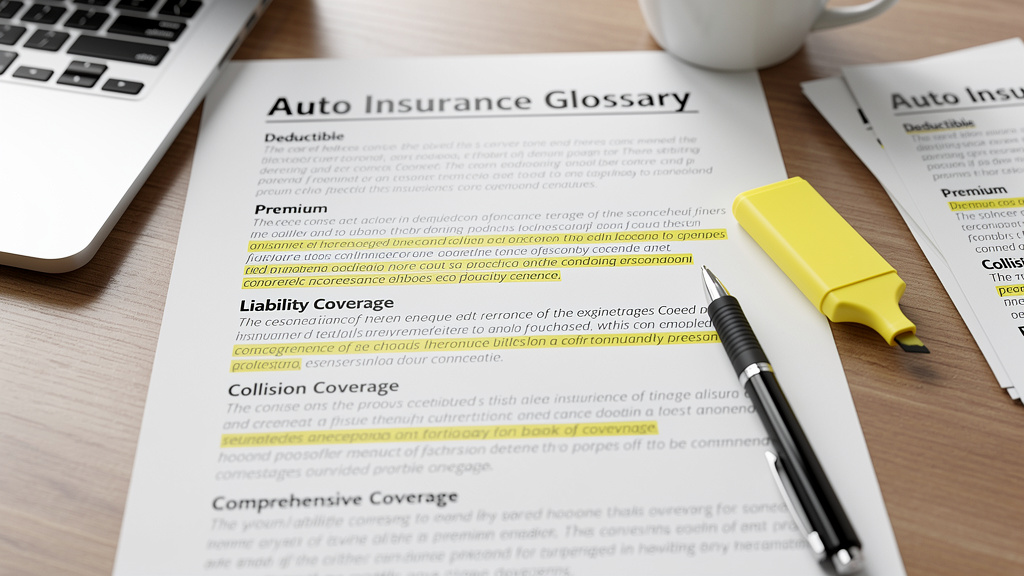
⚡ TL;DR: This guide explains essential terms in the Auto Insurance Glossary.
📋 What You’ll Learn
In this comprehensive guide about Auto Insurance Glossary, I’ve compiled everything you need to know based on my research. Here’s what I’ll cover:
- Learn key insurance terms – I’ve broken down essential terms like premium and deductible for better understanding.
- Discover coverage types – I explain various types of coverage, helping you choose the best policy for your needs.
- Understand the claims process – I’ll guide you through navigating the claims process and how to file effectively.
- Master negotiation skills – I share tips on how to negotiate your premium and potentially save money.
I’ve been researching the world of auto insurance for quite some time now, and I’ve come to realize how crucial an Auto Insurance Glossary can be for every driver. This glossary is not just a list of jargon; it’s a vital tool that can help you understand what you’re signing up for. In my experience with the Auto Insurance Glossary, I’ve found that familiarity with these terms can truly give you peace of mind.
Understanding the terms in an Auto Insurance Glossary helps demystify the confusing language often used by insurers. For anyone navigating this complex landscape, having a clear grasp on these definitions is essential. I want to share what I’ve learned about these key terms and concepts that every driver should know.
Introduction to the Auto Insurance Glossary
This section provides an overview of why an Auto Insurance Glossary is so important in understanding your coverage. Knowing the right terms can empower you to make informed decisions about your insurance needs. It’s all about becoming a savvy consumer in a field that can often feel overwhelming.
What is an Auto Insurance Glossary?
In my experience, an Auto Insurance Glossary serves as a guide that explains the terminology used in the auto insurance industry. This resource can make all the difference when you’re trying to decipher your policy or discuss options with an agent. The clarity it brings can prevent costly misunderstandings.
Many terms might seem straightforward, but they can have nuanced meanings. For instance, “premium” might just sound like your monthly payment, but it encompasses various factors like risk assessments and coverage limits. Understanding these details can save you money in the long run.
Why is the Auto Insurance Glossary Important?
Having a solid grasp of the Auto Insurance Glossary can enhance your confidence when discussing policies with insurance agents. I’ve found that when I’m familiar with the terminology, I can ask better questions and negotiate more effectively. A well-informed consumer is less likely to be taken advantage of.
Moreover, as insurance policies can vary widely between providers, knowing the specific terms can help you compare quotes more effectively. This knowledge can empower you to find the best deal tailored to your unique needs.
Key Terms in the Auto Insurance Glossary
In this section, I’ll delve into some of the most commonly encountered terms in the Auto Insurance Glossary. Each term plays a significant role in understanding your insurance policy, so let’s break them down.
Premium
Your premium is the amount you pay—typically monthly or annually—to maintain your auto insurance coverage. I learned early on that various factors influence this cost, such as your driving history, the type of vehicle you own, and even your location. It’s crucial to review your premium regularly, especially when your circumstances change.
For instance, I once discovered that my premium could drop significantly after a few years without accidents. Many insurers offer discounts for safe driving, so it’s worth checking with your company.
Deductible
The deductible is the amount you agree to pay out-of-pocket before your insurance kicks in. I’ve realized that selecting a higher deductible can lower your premium, but it also means more financial responsibility in case of an accident. Finding the right balance based on your budget is essential.
For example, when I raised my deductible to save on my premium, I ensured I had enough savings to cover that amount if needed. This approach gave me peace of mind while also keeping my costs manageable.
Understanding Coverage Types in the Auto Insurance Glossary
In this part, I’ll explain the types of coverage you might encounter in an Auto Insurance Glossary. Understanding these can help you choose the best policy for your needs.
Liability Coverage
Liability coverage is vital and, in many states, legally required. It covers the costs if you’re found at fault in an accident. I’ve seen firsthand how having adequate liability coverage can protect your assets in case of a lawsuit.
When I spoke with my insurance agent, I learned that many drivers underestimate how much coverage they need. It’s wise to assess potential risks and ensure you’re not underinsured.
Collision Coverage
Collision coverage helps pay for repairs to your vehicle after an accident, regardless of fault. I’ve found this particularly useful for newer cars, which can be expensive to repair. If you’re still paying off a car loan, collision coverage may be a smart addition to your policy.
From my research, I discovered that opting for collision coverage can give you peace of mind, knowing that you won’t face a huge financial burden if something goes wrong.

Navigating Claims in the Auto Insurance Glossary
This section focuses on the claims process and essential terms related to it. Understanding how to navigate claims can make a stressful situation much smoother.
The Claims Process
The claims process can be daunting, but it doesn’t have to be. In my experience, having a clear understanding of how to file a claim is crucial. I recommend keeping a record of all relevant information, such as accident details and communications with your insurer.
Many people overlook the importance of promptly reporting an accident. I learned that delays can complicate the claims process, so acting quickly can significantly help.
Settlement
A settlement is the amount the insurance company agrees to pay you after a claim is processed. I’ve discovered that some drivers accept the first offer without realizing they can negotiate. Knowing the value of your claim can empower you to advocate for yourself.
For example, I once received a settlement offer that seemed low. By researching my vehicle’s repair costs and similar claims, I was able to negotiate a better outcome. It’s all about being informed!
Common Questions About Auto Insurance Glossary
What is included in an Auto Insurance Glossary?
In my experience, an Auto Insurance Glossary includes essential terms like premium, deductible, and liability coverage, among others. It’s a comprehensive resource that explains the terminology you’ll encounter when dealing with auto insurance.
Why should I refer to the Auto Insurance Glossary?
I’ve found that referring to the Auto Insurance Glossary helps clarify complex terms and concepts, making it easier to understand your insurance policy. This knowledge can empower you to make better decisions regarding your coverage.
Can I negotiate my auto insurance premium?
Yes! In my experience, many drivers overlook this option. I recommend discussing your premium with your insurer and inquiring about available discounts or adjustments based on your driving history.
How can I lower my auto insurance premium?
There are several strategies to lower your premium. I’ve found that increasing your deductible, bundling policies, and maintaining a clean driving record can lead to significant savings.
How often should I review my auto insurance policy?
I recommend reviewing your policy at least annually. By doing so, you can reassess your coverage needs and make any necessary adjustments based on changes in your life or driving habits.
Frequently Asked Questions
What is an Auto Insurance Glossary?
In my experience, an Auto Insurance Glossary is a comprehensive list of terms used in the auto insurance industry. It helps consumers understand their policies better.
How do I use an Auto Insurance Glossary?
I’ve found that using an Auto Insurance Glossary is straightforward. Simply look up terms when reviewing your policy or discussing options with your agent to ensure clarity.
What are common terms in an Auto Insurance Glossary?
Common terms include premium, deductible, liability coverage, and collision coverage. Understanding these terms can significantly improve your insurance knowledge.
Why is understanding the Auto Insurance Glossary important?
Understanding the Auto Insurance Glossary is essential because it empowers you to make informed decisions about your insurance needs and helps avoid misunderstandings with insurers.
Can I find an Auto Insurance Glossary online?
Yes! There are many online resources and official insurance websites that provide a comprehensive Auto Insurance Glossary for consumers.
Conclusion
In conclusion, my research on the Auto Insurance Glossary has shown how understanding these terms can significantly enhance your experience as a driver. Whether you’re purchasing a new policy or reviewing an existing one, being well-versed in the terminology can provide you with the confidence to engage with your insurance provider effectively. I hope this guide helps you navigate the complex world of auto insurance with ease!

Find out more information about “Auto Insurance Glossary”
Search for more resources and information:
