
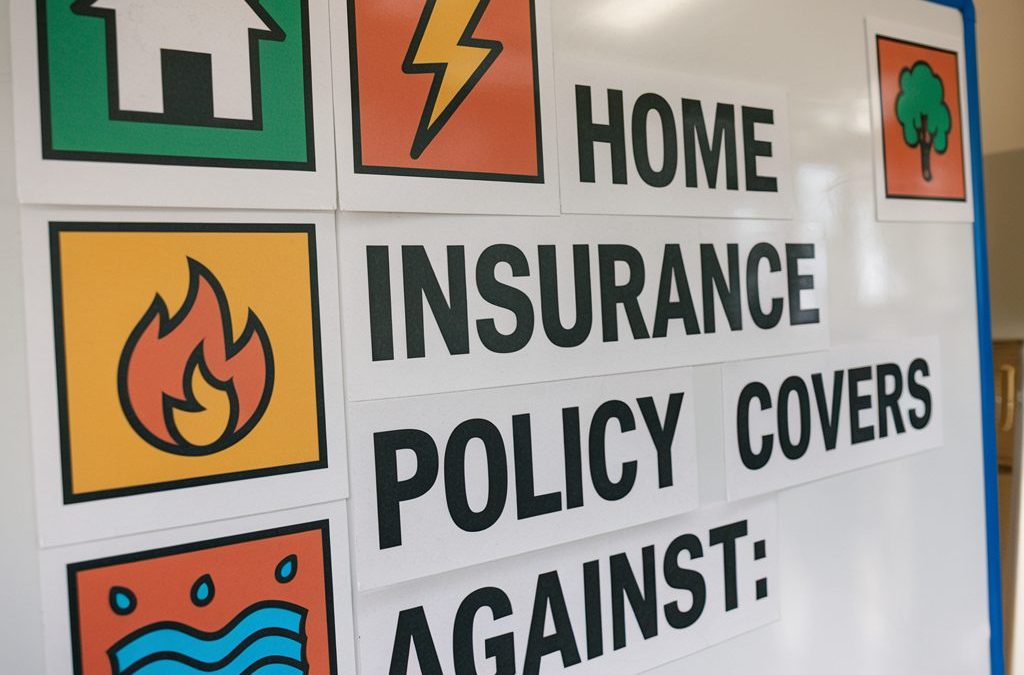
Home insurance is a crucial safety net for homeowners, but understanding what your policy actually covers can be confusing. Whether you’re buying your first home or reviewing your current coverage, knowing the ins and outs of home insurance coverage helps you make informed choices and avoid costly surprises. This in-depth guide explores what homeowners insurance covers—including standard and optional protections, personal property, liability, loss of use, and coverage limits—so you can protect what matters most.
Table of Contents
- Home Insurance Coverage: An Overview
- Standard Coverages in Homeowners Insurance
- Personal Property Coverage Explained
- Liability Protection
- Loss of Use (Additional Living Expenses)
- Optional and Add-On Coverages
- Understanding Coverage Limits
- Real-Life Examples & Case Studies
- Actionable Takeaways
- Frequently Asked Questions
Home Insurance Coverage: An Overview
Homeowners insurance is a policy that protects your home and possessions against a range of risks, including fire, theft, storms, and liability claims. It’s often required by mortgage lenders and provides peace of mind in the face of unexpected events. But what does homeowners insurance cover in detail? Let’s break it down.
Standard Coverages in Homeowners Insurance
Most home insurance policies (often called HO-3 policies) include several standard coverages:
- Dwelling Coverage: Protects the structure of your home against covered perils (like fire, wind, hail, or vandalism).
- Other Structures: Covers detached structures on your property, such as garages, sheds, or fences.
- Personal Property: Covers your belongings inside the home, like furniture, electronics, and clothing.
- Liability Protection: Pays for injuries or property damage you or your family members cause to others.
- Loss of Use: Helps with additional living expenses if you can’t live in your home due to a covered loss.
Each of these categories comes with specific coverage limits and exclusions. Understanding these is key to making sure you’re adequately protected.
Common Perils Covered
- Fire and smoke
- Windstorm or hail
- Theft or vandalism
- Lightning strikes
- Weight of ice, snow, or sleet
- Explosion
- Damage from vehicles or aircraft
However, standard policies typically do not cover floods, earthquakes, or normal wear and tear. You may need additional policies or riders for these exposures.
Personal Property Coverage Explained
Personal property coverage helps you repair or replace your possessions if they’re damaged or stolen due to a covered peril. This includes:
- Furniture
- Appliances
- Clothing
- Electronics
- Jewelry (up to limits)
- Sports equipment
Off-Premises Coverage: Your personal property is often protected even when it’s outside your home, such as items stolen from your car or luggage lost during travel (subject to policy limits).
Special Limits on Certain Items
High-value items like jewelry, fine art, or collectibles may have lower limits unless you purchase additional coverage (a scheduled personal property endorsement).
Case Study: Personal Property Claim
Sarah’s home was burglarized while she was on vacation. Her laptop, TV, and some jewelry were stolen. Her standard policy covered the electronics, but the jewelry limit was only $1,500. Because her ring was worth $5,000, she had to pay the difference out of pocket. Scheduling her jewelry would have offered full coverage.
Liability Protection
Liability coverage is one of the most valuable parts of your home insurance. It covers you if someone is injured on your property or if you accidentally damage someone else’s property.
- Bodily Injury: If a guest slips on your porch and breaks a leg, your liability coverage can help pay for their medical expenses and legal fees if you are sued.
- Property Damage: Covers claims if you or your family members (including pets) damage someone else’s property.
Case Study: Liability Claim
Tom’s dog bit a neighbor, resulting in a $7,000 medical bill. His liability coverage paid the claim, up to his $100,000 limit. If the costs had been higher, Tom could have faced significant out-of-pocket expenses.
Loss of Use (Additional Living Expenses)
If your home becomes uninhabitable due to a covered loss (such as fire), loss of use coverage helps pay for:
- Temporary housing (hotel or rental)
- Additional food costs
- Transportation expenses
- Pet boarding
This coverage is usually a percentage of your dwelling coverage amount.
Case Study: Loss of Use
After a kitchen fire, Lisa’s family had to stay in a hotel for three months while repairs were made. Her policy’s loss of use coverage reimbursed them for hotel bills and extra meal costs.
Optional and Add-On Coverages
Standard home insurance coverage may not be enough for everyone. Here are common add-ons and endorsements to consider:
- Flood Insurance: Needed for protection against flood damage (typically purchased through the National Flood Insurance Program).
- Earthquake Insurance: Covers earthquake damage, often excluded from standard policies.
- Scheduled Personal Property: Increases limits for high-value items like jewelry, art, or collectibles.
- Sewer Backup Coverage: Protects against water damage from backed-up drains or sump pumps.
- Ordinance or Law Coverage: Pays for increased costs to rebuild your home to current codes after a covered loss.
Ask your insurer about these options to customize your protection.
Understanding Coverage Limits
Coverage limits are the maximum amount your insurance will pay for a covered claim. Each part of your policy—dwelling, personal property, liability, etc.—has its own limit. Choosing the right limits is crucial to avoid being underinsured.
How to Set Coverage Limits
- Calculate the cost to rebuild your home (not just market value).
- Take inventory of your personal belongings.
- Consider your assets and potential liability risks.
Many insurers offer replacement cost coverage (pays to replace items at today’s prices) or actual cash value (depreciated value). Replacement cost coverage offers better protection.
Case Study: Underinsurance
Mike set his dwelling coverage limit based on his home’s purchase price, not the cost to rebuild. After a fire, he discovered rebuilding costs had risen, leaving him $40,000 short. Reviewing and updating your limits regularly can prevent this scenario.
Real-Life Examples & Case Studies
- Fire Damage: Homeowner receives full payout to rebuild after a lightning-induced fire, thanks to replacement cost coverage.
- Storm Damage: Hail damages roof; policy covers repairs minus deductible.
- Theft: Electronics and jewelry stolen during a break-in; claim paid up to policy’s sub-limits for jewelry.
- Liability Lawsuit: Guest trips over a loose step and sues; liability coverage pays settlement and legal costs.
Actionable Takeaways
- Review your policy regularly to ensure your coverage limits match current rebuilding costs and personal property values.
- Make a home inventory with photos and receipts to streamline claims.
- Consider optional coverages if you live in high-risk areas (flood, earthquake, etc.).
- Ask about increasing liability limits if you have significant assets.
- Schedule high-value items for full coverage.
Frequently Asked Questions
- Does home insurance cover water damage?
- It covers sudden and accidental water damage (like burst pipes) but not flood damage or gradual leaks.
- Are home offices covered?
- Business property has low limits; consider a business property endorsement if you work from home.
- Is mold damage covered?
- Usually only if caused by a covered peril and not due to neglect.
Conclusion: Understanding what homeowners insurance covers—and where its limits and exclusions lie—empowers you to make smarter decisions about protecting your home and finances. Consult with your insurance provider to tailor coverage to your needs and review your policy regularly as your life circumstances change.
