
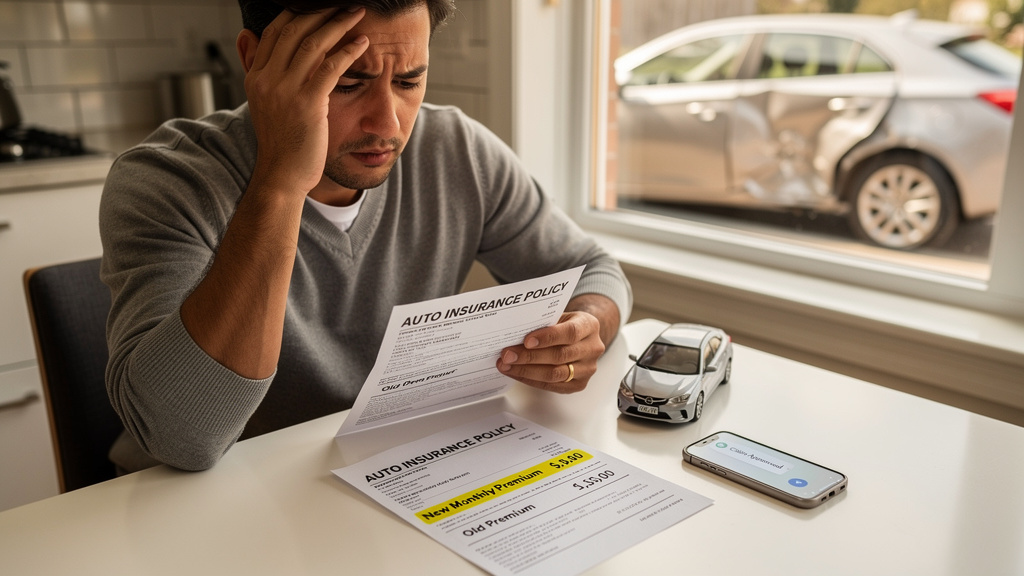
Unraveling the Mystery: Does Auto Insurance Go Up After A Claim
⚡ TL;DR: This guide explains whether auto insurance goes up after a claim.
📋 What You’ll Learn
In this comprehensive guide about Does Auto Insurance Go Up After A Claim, I’ve compiled everything you need to know based on my research. Here’s what I’ll cover:
- Understand how claims affect premiums – I’ve discovered that not all claims result in higher premiums.
- Learn about factors influencing rate increases – The severity of the accident and your claims history play crucial roles.
- Master strategies to mitigate premium increases – Regularly shopping around for insurance can lead to significant savings.
- Discover insights from personal experiences – Engaging with others can help you gauge possible outcomes after a claim.
I’ve been researching the topic of auto insurance for a while now, and one question that often comes up is, “Does Auto Insurance Go Up After A Claim?” In my experience with this subject, it’s a common concern for many drivers. Understanding the implications of filing a claim can make all the difference in your wallet.
In my journey to uncover the truth behind, “Does Auto Insurance Go Up After A Claim?” I’ve discovered that the answer isn’t straightforward. Various factors come into play, and knowing these can help you navigate your insurance options more wisely. Let’s dive deeper into this topic.
Understanding How Claims Affect Premiums
The relationship between claims and insurance premiums is a complex one. When I first started looking into this, I found that many people believe a single claim will automatically result in higher premiums. However, it’s essential to understand that this isn’t always the case.
How Insurance Companies Evaluate Claims
From my research, insurance companies evaluate claims based on various factors, including the severity of the accident and the cost of the claim. I’ve learned that if you file a minor claim, it might not significantly affect your rates. In contrast, a major claim could lead to a noticeable increase.
Additionally, companies often use a metric known as the claims history. If you have a history of multiple claims, it may signal to insurers that you are a higher risk, which can lead to higher premiums. It’s fascinating how data-driven decisions shape the insurance landscape.
The Impact of No-Fault Claims
I discovered that in no-fault states, the rules are a bit different. In these states, drivers can file claims with their own insurance providers regardless of who caused the accident. I’ve found that in such circumstances, rates might not increase as significantly as they would in at-fault accidents.
This is something worth considering if you live in a no-fault state. It can be a relief knowing that a minor accident might not lead to your premiums skyrocketing. However, it’s still beneficial to consult with your insurance agent to grasp your specific situation.
Factors Influencing Rate Increases
After digging deeper, I found that many factors influence whether your auto insurance will increase after a claim. Understanding these can help you prepare for any potential changes in your premiums.
Type of Claim Matters
One of the most crucial aspects I’ve learned is that the type of claim significantly matters. For example, comprehensive claims, such as theft or natural disasters, often have less impact on rates compared to collision claims, which are usually linked to accidents. I recommend keeping this in mind when weighing the necessity of filing a claim.
Moreover, I’ve come to realize that some insurers offer accident forgiveness policies. These policies allow you to file a claim without facing a premium increase for your first accident. It’s worth asking your insurer about such options if you’re worried about the financial repercussions of a claim.
Your Insurance History
Your personal insurance history plays a significant role too. From my observations, insurers look at how long you’ve been with them, your payment history, and any previous claims. If you’ve maintained a clean record, you might be less likely to see a hike in rates after a single claim.
This was reassuring to me as a long-time customer of my insurance agency. I felt that my loyalty could potentially buffer any rate increases after a claim. However, it’s essential to discuss this with your agent to understand how it applies to your case.
Does Auto Insurance Go Up After A Claim? My Findings
Now, let’s address the burning question: “Does Auto Insurance Go Up After A Claim?” My research indicates that while many people fear a rate increase, it’s not a guaranteed outcome. Several factors intertwine to determine the final result.
Statistical Insights
I’ve come across statistics suggesting that around 60% of drivers experience a rate increase after filing a claim. However, this varies widely depending on the insurer and the circumstances surrounding the claim. For example, a minor fender bender might not trigger an increase, while a serious accident could do so immediately.
It’s a mixed bag, and understanding these statistics can help alleviate some anxiety around filing a claim. Talking to your insurance agent can provide you with tailored insights based on your situation.
Personal Experiences from Other Drivers
In my discussions with friends and family, I’ve discovered a range of experiences with claims and subsequent premium increases. Some reported no change in their rates after a minor claim, while others saw significant hikes after more serious incidents. This variability emphasizes the importance of understanding your specific insurer’s policies.

I’ve also learned that engaging with others about their claims experiences can provide valuable insights. It’s a great way to gauge the landscape and prepare for possible outcomes.
Mitigating Premium Increases
While it’s impossible to control every aspect of how claims affect your rates, there are strategies to mitigate premium increases. I’ve gathered some recommendations that might help you manage your auto insurance costs effectively.
Shop Around Regularly
One of the best pieces of advice I can offer is to shop around regularly for insurance quotes. Rates can vary significantly between companies, and I’ve found that periodically reviewing my policy can lead to savings. If you’re facing an increase, it might be worthwhile to see what other insurers offer.
Moreover, many agencies offer discounts for safe driving, bundling policies, or even for being a loyal customer. It’s always worth asking your agent about available discounts to help offset any potential increases.
Consider Increasing Your Deductible
I recommend evaluating your deductible. Increasing your deductible can lower your premiums, which might be a good strategy if you’re worried about rising costs. However, ensure you can cover the higher deductible if you need to file a claim.
This approach has worked for me in the past, as it allows for more manageable premium payments while still maintaining sufficient coverage. Just be sure to weigh the risks before adjusting your deductible.
Common Questions About Does Auto Insurance Go Up After A Claim
Will my rate always go up after a claim?
In my experience, not all claims result in higher rates. It largely depends on the nature of the claim and your insurance provider’s policies.
How long will a claim affect my insurance?
I’ve found that most claims affect your rates for about three to five years, but this varies by insurer. It’s best to check with your provider for specific details.
Does Auto Insurance Go Up After A Claim if it’s a minor accident?
From my research, minor accidents may not lead to a rate increase, especially if you have a good driving record and your insurer offers accident forgiveness. Always consult your agent.
What should I do before filing a claim?
I’ve learned to assess the situation and determine if the claim is worth it. Sometimes, covering the cost out of pocket is more beneficial than risking a premium increase.
Are there any claims that will not affect my premium?
In my experience, comprehensive claims for theft or natural disasters typically have less impact on rates compared to collision claims. Each insurer has different policies, so it’s wise to check.
Frequently Asked Questions
Does Auto Insurance Go Up After A Claim?
In my experience, it often does, but not in every case. The impact largely depends on the type and severity of the claim, as well as your insurance history.
What if I have a good driving history?
I’ve found that a good driving history can help mitigate potential rate increases after a claim. Insurers often reward safe drivers with lower premiums.
How can I lower my premiums after a claim?
I recommend shopping around for better rates and asking about discounts for safe driving or bundling policies. These strategies can help lower your premiums.
What is accident forgiveness?
Accident forgiveness is a policy feature that prevents your first accident from impacting your rates. I’ve found this can be a valuable option for many drivers.
Conclusion
In conclusion, my research on Does Auto Insurance Go Up After A Claim has shown that the outcome can vary widely based on several factors. Understanding your policy and the nature of your claim will help you navigate this complex landscape. I hope this guide helps you make informed decisions about filing claims and managing your auto insurance costs.

Find out more information about “Does Auto Insurance Go Up After A Claim”
Search for more resources and information:
