
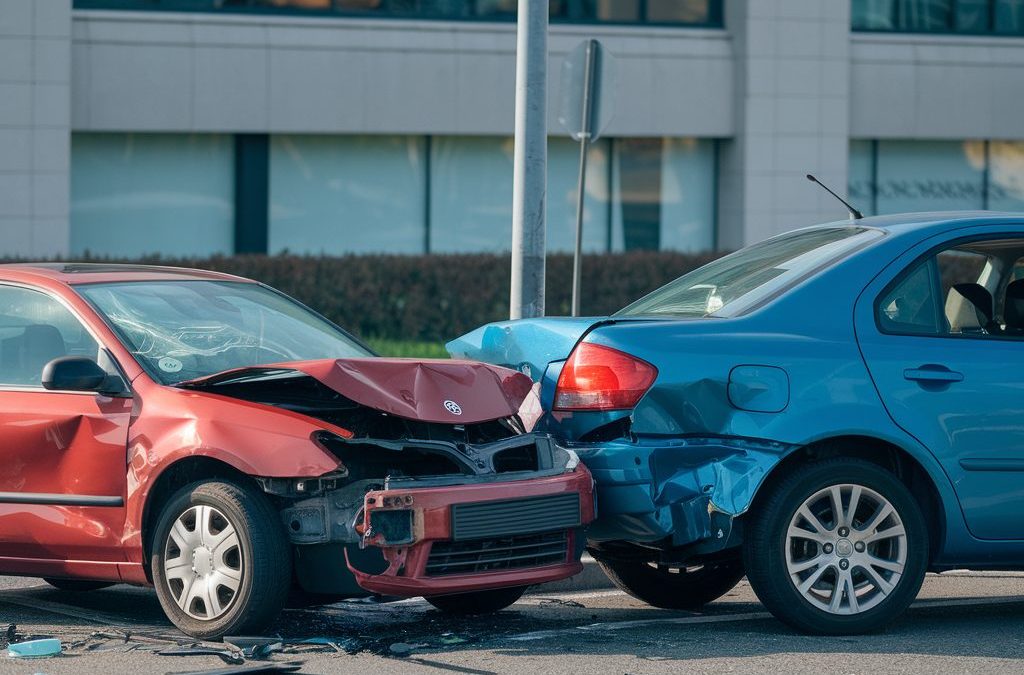
Understanding auto insurance can be challenging, especially when real-life situations put your knowledge to the test. This article presents a series of true-to-life auto insurance case studies, highlighting the most common scenarios, mistakes people make, and the lessons you can apply to make better coverage decisions. Whether you are a first-time policyholder or looking to optimize your protection, these car insurance examples will provide valuable insights and practical takeaways.
Table of Contents
- Introduction: Why Real-Life Auto Insurance Stories Matter
- Scenario 1: Underinsured Driver Faces Major Out-of-Pocket Costs
- Scenario 2: Denied Claim Due to Lapsed Policy
- Scenario 3: Rental Car Coverage Confusion
- Scenario 4: Comprehensive Coverage Saves the Day
- Scenario 5: The Dangers of Not Disclosing All Drivers
- Scenario 6: Disputing Fault in a Multi-Car Accident
- Scenario 7: The Impact of Aftermarket Modifications
- Scenario 8: Learning from a Hit-and-Run
- Scenario 9: Teen Driver and Rate Increases
- Key Takeaways and Actionable Tips
- Frequently Asked Questions
- Related Resources
Introduction: Why Real-Life Auto Insurance Stories Matter
Auto insurance is more than just a legal requirement—it’s a safety net that protects you financially in unexpected situations. However, many policyholders only realize the importance of the right coverage after an incident occurs. By examining real auto insurance stories and case studies, you can learn from others’ experiences to avoid common pitfalls and ensure you’re prepared for what lies ahead.
Scenario 1: Underinsured Driver Faces Major Out-of-Pocket Costs
The Situation
Sarah, a recent college graduate, opted for her state’s minimum liability coverage to keep premiums low. She believed that as a careful driver, she wouldn’t need higher limits.
The Incident
One evening, Sarah rear-ended another vehicle at a stoplight. The other driver suffered minor injuries, and their car was significantly damaged. The total claim—medical bills and vehicle repairs—exceeded Sarah’s liability limits by $15,000.
Outcome
Sarah’s insurance covered up to her policy limits, but she was personally responsible for the remaining $15,000. She faced legal action and wage garnishment to pay the balance.
Lessons Learned
- Minimum coverage may not be enough to protect against major accidents.
- Consider your total exposure—including assets and future earnings—when choosing liability limits.
Scenario 2: Denied Claim Due to Lapsed Policy
The Situation
Mike, a busy entrepreneur, missed a payment deadline, causing his auto insurance policy to lapse for five days.
The Incident
During the lapse, Mike was involved in a minor collision. When he filed a claim, the insurer denied coverage because the accident occurred while the policy was inactive.
Outcome
Mike paid for repairs and the other driver’s damages out of pocket. He also faced higher premiums due to the lapse in coverage.
Lessons Learned
- Always keep your policy active; even a short lapse can have serious consequences.
- Set up automatic payments or reminders to avoid missed deadlines.
Scenario 3: Rental Car Coverage Confusion
The Situation
Linda rented a car for a family vacation, assuming her personal auto insurance would cover any accidents.
The Incident
She got into a minor accident in the rental. Her personal policy included liability but not collision or comprehensive coverage for rental vehicles.
Outcome
Linda was responsible for the rental car’s repair costs. She learned that her policy didn’t automatically extend all coverages to rentals.
Lessons Learned
- Check your policy details or call your insurer before renting a car.
- Consider purchasing the rental company’s insurance if your policy lacks coverage.
Scenario 4: Comprehensive Coverage Saves the Day
The Situation
Tom’s car was parked on the street when a severe hailstorm hit, causing extensive damage.
The Incident
Tom had opted for comprehensive coverage, which protects against non-collision events like weather damage.
Outcome
His insurer covered the repairs minus his deductible. Without comprehensive coverage, Tom would have paid over $4,000 out of pocket.
Lessons Learned
- Comprehensive coverage is essential for protection against theft, vandalism, and weather events.
- Weigh the cost of coverage against potential risks in your area.
Scenario 5: The Dangers of Not Disclosing All Drivers
The Situation
Emily’s teenage son recently got his license, but she didn’t add him to her auto insurance policy, fearing her premium would increase.
The Incident
Her son was involved in a minor fender bender. The insurance company discovered he was a regular driver not listed on the policy.
Outcome
The insurer initially denied the claim, but after investigation, offered reduced coverage and charged back premiums. Emily faced significant out-of-pocket costs and higher future rates.
Lessons Learned
- Always disclose all household drivers to your insurer.
- Non-disclosure can lead to denied claims or policy cancellation.
Scenario 6: Disputing Fault in a Multi-Car Accident
The Situation
Jorge was involved in a three-car accident. The police report said he was at fault, but he disagreed with the assessment.
The Incident
Jorge provided dashcam footage and witness statements to his insurer to contest the report.
Outcome
After reviewing the additional evidence, his insurer successfully challenged the police report, reducing his liability and out-of-pocket expenses.
Lessons Learned
- Document accidents thoroughly with photos, videos, and witness information.
- Insurers can help dispute fault if you provide sufficient evidence.
Scenario 7: The Impact of Aftermarket Modifications
The Situation
Kevin installed a high-end sound system and custom rims on his car but didn’t inform his insurance provider.
The Incident
His car was stolen. When he filed a claim, the insurer only covered the factory value, not the aftermarket additions.
Outcome
Kevin was unable to recover the value of his upgrades, losing several thousand dollars.
Lessons Learned
- Inform your insurer about any significant modifications to your vehicle.
- Consider additional coverage for aftermarket parts.
Scenario 8: Learning from a Hit-and-Run
The Situation
Alice’s parked car was sideswiped by an unknown driver who fled the scene.
The Incident
Alice’s policy included uninsured motorist property damage (UMPD) coverage, which applied to hit-and-run situations.
Outcome
Her insurer covered the repair costs, minus the deductible. Without UMPD, Alice would have paid everything herself or relied on collision coverage.
Lessons Learned
- Uninsured/underinsured motorist coverage can provide critical protection.
- Report hit-and-run incidents promptly and document as much as possible.
Scenario 9: Teen Driver and Rate Increases
The Situation
Janet added her 17-year-old daughter, who just got her license, to her auto insurance policy.
The Incident
After adding her daughter, Janet noticed her premiums rose substantially, even though her daughter hadn’t had any accidents.
Outcome
Janet shopped around and found another insurer offering discounts for good grades and driver safety courses, reducing the increase.
Lessons Learned
- Teen drivers typically increase premiums, but discounts may be available.
- Compare quotes and ask about student and safe driver discounts.
Key Takeaways and Actionable Tips
- Review your policy annually and after major life changes.
- Don’t cut corners on essential coverages to save money.
- Disclose all drivers and significant vehicle modifications.
- Understand what your policy covers—and what it doesn’t.
- Shop around periodically for better rates and discounts.
Frequently Asked Questions
- What’s the most common mistake drivers make with auto insurance?
- Underinsuring themselves to save on premiums, which can lead to costly out-of-pocket expenses after an accident.
- Can I dispute a denied claim?
- Yes, but you’ll need to provide evidence and documentation to support your case. Work closely with your insurer and consider third-party mediation if needed.
- Does my policy cover rental cars?
- It depends. Check your policy details or call your provider before renting a car.
Related Resources
By learning from these real auto insurance stories, you can make informed decisions and ensure you’re adequately protected when it matters most.
