
⚡ TL;DR: This guide explains essential strategies to manage Auto Property Damage effectively.
📋 What You’ll Learn
In this comprehensive guide about Auto Property Damage, I’ve compiled everything you need to know based on my research. Here’s what I’ll cover:
- Understand Auto Property Damage – I’ve discovered the importance of knowing your rights and responsibilities regarding auto damage.
- Learn Preventive Measures – I’ve found that regular maintenance and safe driving practices can significantly reduce risks.
- Mitigate Costs – I’ve learned that understanding your insurance policy and comparing repair quotes can save you money.
- Choose the Right Insurance – I recommend exploring various coverage options and working with an independent agent for personalized guidance.
I’ve been researching the topic of Auto Property Damage for quite some time, and I want to share what I’ve learned. Understanding the nuances of auto property damage is crucial for any vehicle owner or insurance professional. In my experience with Auto Property Damage, I’ve found that being proactive can save a lot of money and stress down the line.
Whether you’re dealing with minor dents or major collisions, the impact of Auto Property Damage can be significant. It’s not just about repairs; it’s about how you manage the entire process. Let’s dive into some effective strategies to minimize costs and maximize protection.
Understanding Auto Property Damage
Understanding Auto Property Damage is the first step toward effective management. I’ve discovered that many people overlook the importance of knowing their rights and responsibilities when it comes to auto damage. This knowledge can empower you during the claims process.
What Constitutes Auto Property Damage?
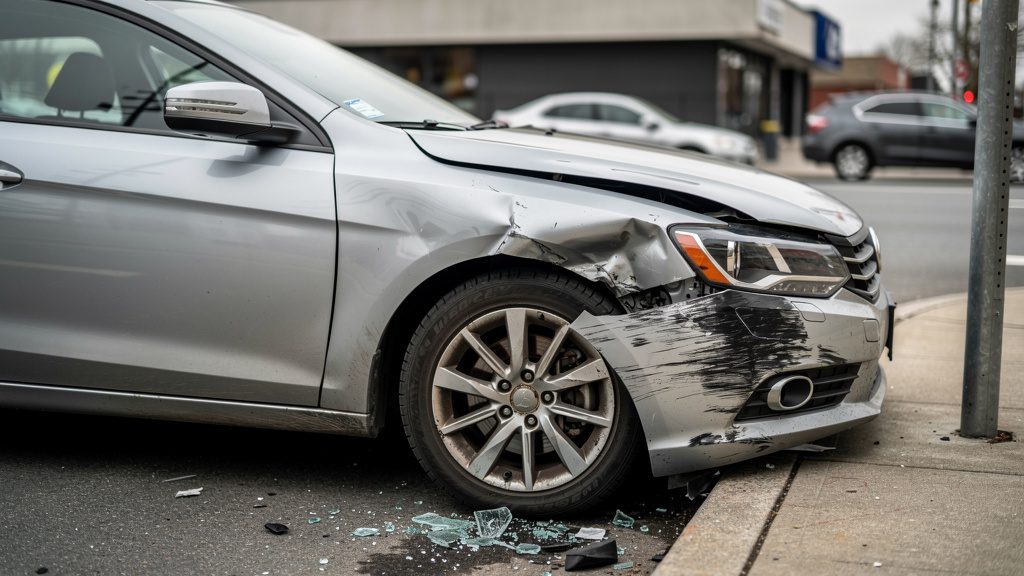
Auto property damage refers to physical harm inflicted on your vehicle or another’s vehicle resulting from a collision or other incidents. From my research, it encompasses everything from scratches and dents to complete vehicle loss. Understanding what qualifies as property damage helps in filing insurance claims efficiently.
The Emotional Impact of Auto Property Damage
I’ve learned that the emotional toll from Auto Property Damage can be as significant as the financial one. Experiencing an accident can be traumatic, and dealing with the aftermath is often overwhelming. Acknowledging these feelings is essential for proper recovery and moving forward.
Legal Implications Surrounding Auto Property Damage
In my experience, understanding the legal implications of Auto Property Damage is vital. Every state has its own laws regarding liability and insurance coverage. Familiarizing yourself with these can prevent future headaches and ensure you’re adequately protected.
Preventive Measures for Auto Property Damage
Taking preventive measures is one of the best strategies for managing Auto Property Damage. In my journey, I’ve come across several tactics that can significantly reduce the risk of damage to your vehicle.
Regular Maintenance Checks
I’ve found that regular maintenance checks can help identify potential issues before they escalate into costly repairs. Simple tasks like checking tire pressure and fluid levels can prevent accidents that lead to property damage. It’s amazing how a little proactive care goes a long way!
Safe Driving Practices
In my experience, adopting safe driving practices is crucial. Avoiding distractions, obeying speed limits, and maintaining a safe distance from other vehicles can minimize the risk of accidents considerably. Remember, safety on the road is always a priority.
Parking Wisely
I recommend always being mindful of where you park your vehicle. Choosing well-lit areas, avoiding tight spots, and steering clear of busy traffic can significantly reduce your chances of experiencing Auto Property Damage. It’s the small choices that make a big difference.
Mitigating Costs of Auto Property Damage
Mitigating costs associated with Auto Property Damage is essential for any vehicle owner. There are several strategies that I’ve found to be effective, especially in the insurance landscape.
Understanding Your Insurance Policy
I’ve learned that understanding your insurance policy is key to minimizing costs. Many people don’t realize the extent of their coverage until it’s too late. Familiarizing yourself with your policy can help you make informed decisions when accidents happen.
Shop Around for Repairs
From my research, getting multiple quotes for repairs can save you a significant amount of money. Don’t just settle for the first estimate. Comparing costs from different auto shops can lead to better deals and lower your overall expenses related to Auto Property Damage.
Consider Deductibles
I recommend carefully evaluating your deductible options. A higher deductible can lower your premium, but be sure it’s an amount you can comfortably handle in the event of a claim. Balancing your deductible with your coverage is crucial for effective cost management.

Choosing the Right Insurance for Auto Property Damage
Choosing the right insurance for Auto Property Damage can feel overwhelming, but it doesn’t have to be. Having the right coverage can make all the difference when an incident occurs.
Types of Coverage to Consider
I’ve found that it’s essential to explore various types of coverage options. Collision coverage, comprehensive coverage, and liability insurance are all critical components to consider. Each serves a different purpose, and understanding them can help you choose wisely.
Working with an Insurance Agent
In my experience, working with an independent insurance agent can provide personalized guidance. They can help you navigate the complexities of auto insurance and ensure you select a policy that adequately covers Auto Property Damage while fitting your budget.
Reviewing Policies Annually
I recommend reviewing your insurance policies annually. Life changes, and so do your insurance needs. Regular reviews can help you adjust your coverage or find better rates, ensuring you’re always protected against Auto Property Damage.
Common Questions About Auto Property Damage
What should I do immediately after experiencing auto property damage?
In my experience, the first step is to ensure everyone’s safety and then document the incident. Take photos and collect information from involved parties to facilitate your insurance claim.
How can I file a claim for auto property damage?
I’ve found that filing a claim involves contacting your insurance provider, providing necessary documentation, and possibly getting an estimate for repairs. It’s important to keep detailed records throughout the process.
How can I avoid auto property damage in the future?
In my experience, implementing safe driving habits, maintaining your vehicle, and parking wisely can significantly reduce the likelihood of future Auto Property Damage.
What are the costs associated with auto property damage?
I’ve learned that costs can vary widely based on the extent of the damage, insurance coverage, and repair rates. Understanding your policy can help mitigate these costs.
Do I need additional coverage for auto property damage?
I recommend discussing your options with your insurance agent. Depending on your vehicle’s value and your personal circumstances, additional coverage might be beneficial.
Frequently Asked Questions
What are the primary causes of auto property damage?
In my experience, the primary causes of Auto Property Damage include collisions, weather-related incidents, and theft. Understanding these can help you avoid risks.
How do I handle disputes with my insurance company regarding auto property damage?
I’ve found that keeping detailed records of all communications and documentation is crucial. If disputes arise, consider involving a mediator or an attorney for resolution.
Can I contest a claim denial for auto property damage?
In my experience, you can contest a claim denial by providing additional evidence and documentation to support your case. It’s vital to remain persistent and organized.
What should I look for in a repair shop for auto property damage?
I recommend looking for repair shops with good reviews, certifications, and warranty offers. Trustworthy shops will provide clear estimates and communicate throughout the repair process.
Conclusion
In conclusion, my research on Auto Property Damage has shown that being informed and proactive can significantly minimize costs and maximize protection. I hope this guide helps you navigate the complexities of auto property damage, ensuring you’re well-equipped to handle any situation that arises.

Find out more information about “Auto Property Damage”
Search for more resources and information:
